Hormuz Blockade + Infrastructure Strikes Lock in $10B+ Energy Cost Shock Through Q2 2026
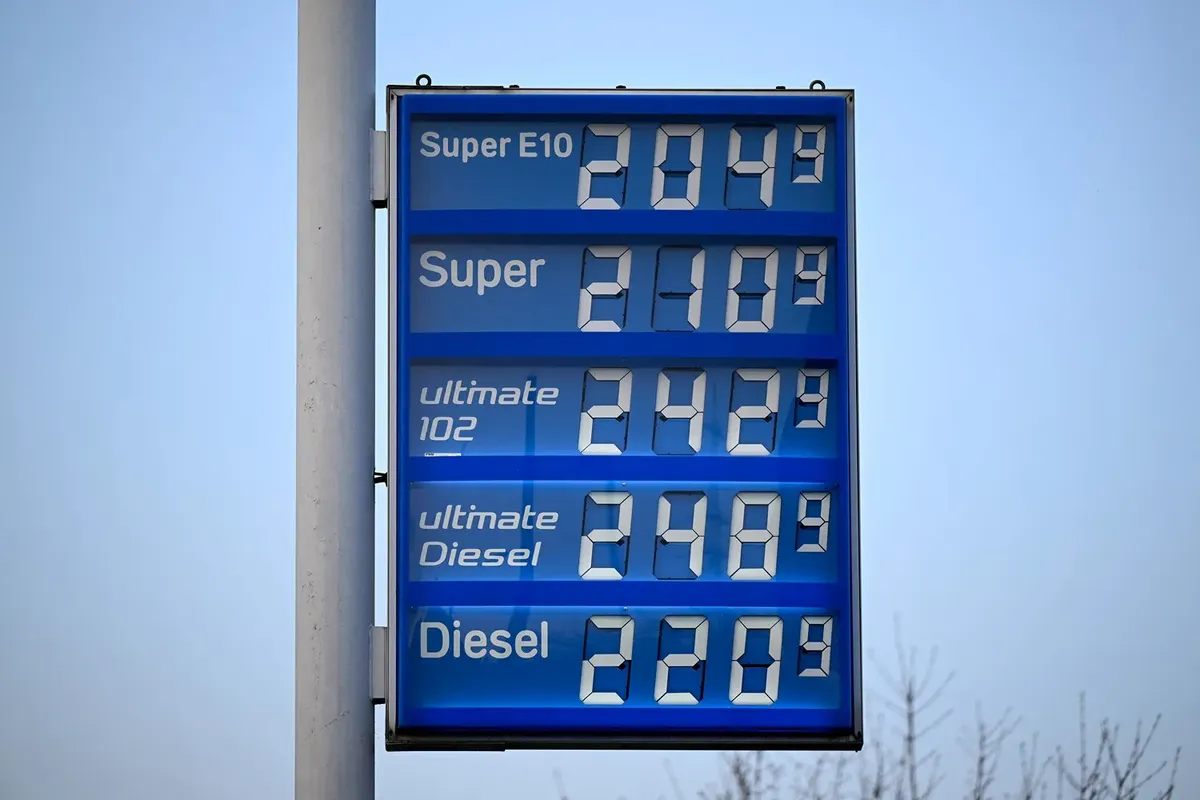
Energy cost shocks propagate into defense procurement timelines through two mechanisms: (1) Lockheed Martin, RTX, and GE Aviation face immediate margin pressure on fixed-price contracts (F-35 sustainment, JDAM production, F110 turbine deliveries) if energy surcharges exceed 2-3% of unit cost — this forces renegotiation of FY27 sustainment contracts and delays Lot 16+ production starts; (2) Allied governments dependent on energy imports (Japan, South Korea, Germany) must choose between strategic reserve drawdown (reducing peacetime energy security) or accepting higher defense budget energy line items, which crowds out procurement spending.
The blockade is no longer a threat — it is operational fact.
Approximately 21% of global crude oil transits the Strait of Hormuz; a near-standstill forces buyers into spot markets, driving marginal-cost pricing for weeks. This benefits US and allied energy producers (Permian operators, North Sea fields) and penalizes import-dependent allies (Japan, South Korea, Europe).
Defense contractors with energy-intensive supply chains (Lockheed solid rocket motor production, GE turbine manufacturing) face margin compression if energy surcharges are not contractually passed through.
The critical variable is duration: if the blockade persists beyond 60 days, force-flow alternatives (rail, pipeline through Central Asia) activate, locking in higher baseline energy costs for FY27 procurement cycles. If cleared within 30 days, price volatility remains contained to Q1-Q2 2026.
The article does not specify: (1) current daily throughput loss as a percentage of normal Hormuz flow, (2) which oil grades are most affected (crude vs. refined products), (3) whether insurance and shipping premiums are already priced into the reported spike, or (4) which US allies have strategic re...
Fault Lines
Strategic intelligence, synthesized daily — with a public track record. Every call graded against what actually happened.