Pentagon Deploys 100,000 AI Agents on Unclassified Networks; Workforce Automation Accelerates
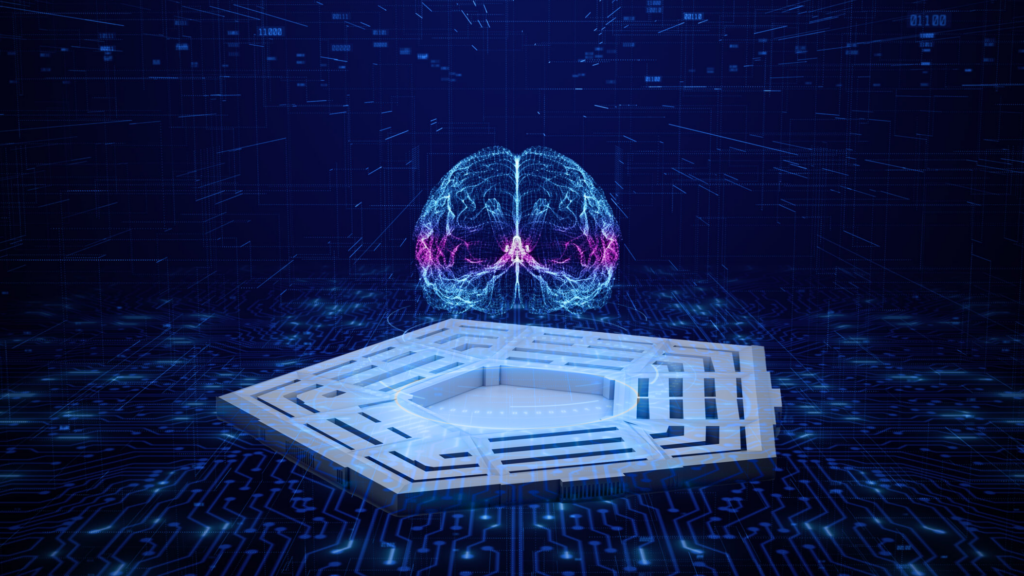
The Samsung DRAM espionage case and Dutch cyber assessment signal that adversaries are both acquiring defense-relevant technical data through human insiders AND operating undetected at scale on allied networks.
Deploying 100,000 unvetted AI agents on unclassified DoD networks without formal vetting creates a new exfiltration channel that requires neither human recruitment nor sophisticated intrusion — just query access. If those agents are processing procurement data, logistics flows, or even unclassified technical specifications, they become a force multiplier for existing Chinese cyber operations.
This is workforce automation at scale, not a capability breakthrough.
One hundred thousand agents distributed across unclassified networks means routine IT work — data sorting, form processing, report generation — is being offloaded from human labor to generative AI without the institutional controls that typically govern defense IT. The speed matters: GenAI.mil went live without the usual multi-year acquisition cycle. That's efficient until it isn't.
The risk isn't the tool itself — it's the detection gap. If 100,000 agents are running queries and processing data across unclassified networks, visibility into what they're actually doing, what they're learning from, and whether they're creating new security seams is almost certainly incomplete. Dutch intelligence just assessed that Chinese cyber operations now match US capability and regularly evade detection.
Unvetted AI agents running at scale on DoD networks are a detection and exfiltration vector that doesn't require a sophisticated adversary — just access to the data flowing through those agents.
What's the actual distribution of those 100,000 agents across commands and agencies? Are they concentrated in logistics and admin, or are they touching intelligence networks and operational planning? The headline number is useless without understanding what data they touch.
Fault Lines
Strategic intelligence, synthesized daily — with a public track record. Every call graded against what actually happened.