Wyden Blocks NSA Director Confirmation Over Civil Liberties Record
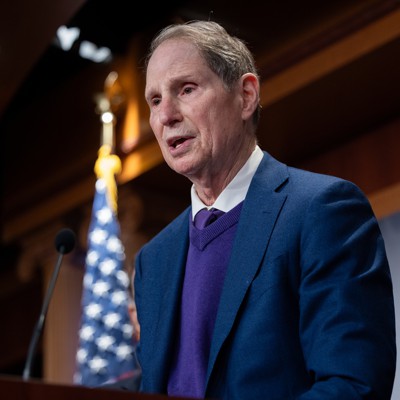
Personnel delays at the NSA director level do not directly affect procurement timelines or force structure, but extended vacancy forces delegation of budget authority and program oversight to deputy or acting leadership, which typically slows classification decisions and inter-agency coordination on signals intelligence operations.
If Wyden's civil liberties concerns gain traction among other committee members, they may condition future NSA budget authority on statutory changes to collection oversight, which would require DoD and intelligence agencies to reprogram or restructure classified programs—a second-order market and operational effect, not immediate.
A single senator cannot block a confirmation outright, but Wyden's opposition on the Intelligence Committee raises the cost of Rudd's confirmation and may trigger extended hearings or amendments to NSA authorities.
If other senators join the hold, confirmation delays past Q2 2026 could leave the NSA without permanent leadership during a period of heightened cyber and counterintelligence operations.
The stated concern—civil liberties safeguards in surveillance operations—does not directly constrain NSA procurement or capability development, but extended vacancy or a confirmed director facing congressional restrictions could slow implementation of new signals intelligence programs or delay budget authority for classified operations.
The article does not specify which civil liberties or oversight questions Rudd answered inadequately, making it unclear whether the concern is procedural (internal NSA review mechanisms) or substantive (legal authority for specific collection programs).
Fault Lines
Strategic intelligence, synthesized daily — with a public track record. Every call graded against what actually happened.