Moscow Refinery Damage Extends Production Outage to 2027; Six-Month Repair Cycle Strains Russian Fuel Supply
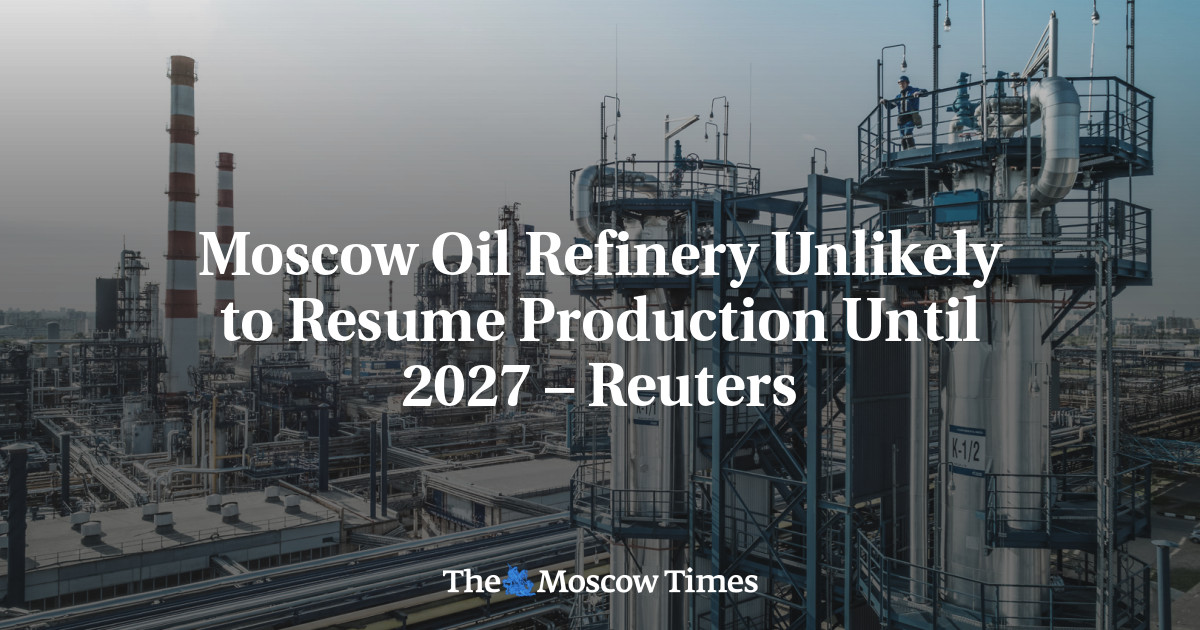
The six-month repair window matters less than what happens during it. If Russia cannot redirect crude to other refineries or import finished fuel, it faces a hard choice: reduce military fuel allocation or reduce civilian supply. Either triggers second-order effects — military logistics constraints force operational tempo changes, or domestic fuel rationing destabilizes urban populations.
The fact that an industry source is discussing this timeline (rather than official Russian denial) suggests the damage assessment is real and the repair cost is high enough that it's not being hidden from market participants.
Russia's refining capacity is now a binding constraint on fuel availability for military operations and domestic consumption — and the timeline exposes how thin Moscow's margin is.
If this facility represents a material share of Russian refinery output (the article does not specify the percentage), a six-month outage forces either drawdown of strategic reserves or reduced fuel supply to either the front or the civilian economy.
Watch for: (1) whether Russia announces emergency refinery repairs or accelerated maintenance at other facilities to compensate, and (2) whether fuel rationing or price controls appear in Russian economic policy over the next 90 days — both would signal the gap is real.
What percentage of Russian refinery capacity does this facility represent? Is it a regional hub (serving Moscow and western Russia) or a nationally distributed supplier? The article does not specify, which matters enormously for estimating the economic impact.
Fault Lines
Strategic intelligence, synthesized daily — with a public track record. Every call graded against what actually happened.