Ukraine Strikes Russia's Largest Baltic Oil Terminal in St. Petersburg; Third Energy Infrastructure Target in 72 Hours
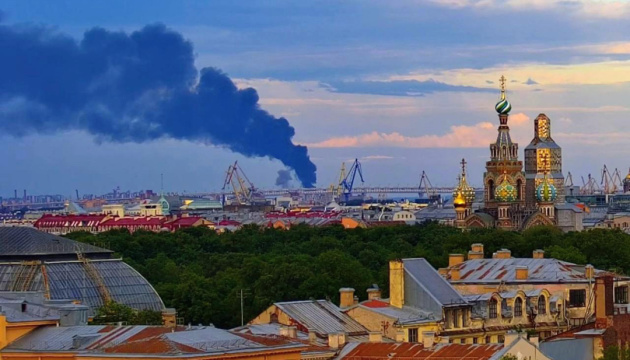
If the terminal is offline for 4+ weeks, Russian crude exports drop roughly 10-15% of current Baltic throughput — that's $80-120M in monthly revenue at current prices, compounding pressure on Moscow's FY26 military budget.
The timing matters: Ukraine is signaling it can strike energy targets at scale while Russia is managing the three-front air defense problem (Hormuz escalation, Ukrainian drone swarms, and potential Israeli strikes).
This is not a shift in Ukrainian doctrine — it's continuation of the 2024-2025 targeting pattern — but the frequency and coordination suggest either new ISR capability or a deliberate campaign to synchronize strikes across multiple regions.
This escalates Ukraine's targeting of Russian energy infrastructure at a moment when Moscow's oil revenues are already constrained by the EU's $44/bbl price cap — forcing Russia to choose between diverting air defense assets from the front or accepting further losses to energy exports.
The terminal's destruction reduces Russian crude export capacity in the Baltic, tightening the margin on the revenue Moscow needs to sustain its defense spending.
Watch for Russian retaliation against Ukrainian energy infrastructure (thermal plants, refineries) and whether this triggers a shift in CENTCOM posture toward Russian energy assets in the Middle East, given the three-month Iran escalation cycle already underway.
Did the strike cause sustained damage to export capability, or was it a fire-control success that left loading infrastructure intact? The difference determines whether this creates a weeks-long revenue gap or a tactical win with limited economic consequence.
Fault Lines
Strategic intelligence, synthesized daily — with a public track record. Every call graded against what actually happened.