China Lake Cuts Ribbon on 300-Gallon Mixer to Reach WDU-36/B Warhead Production Rate by June 2027
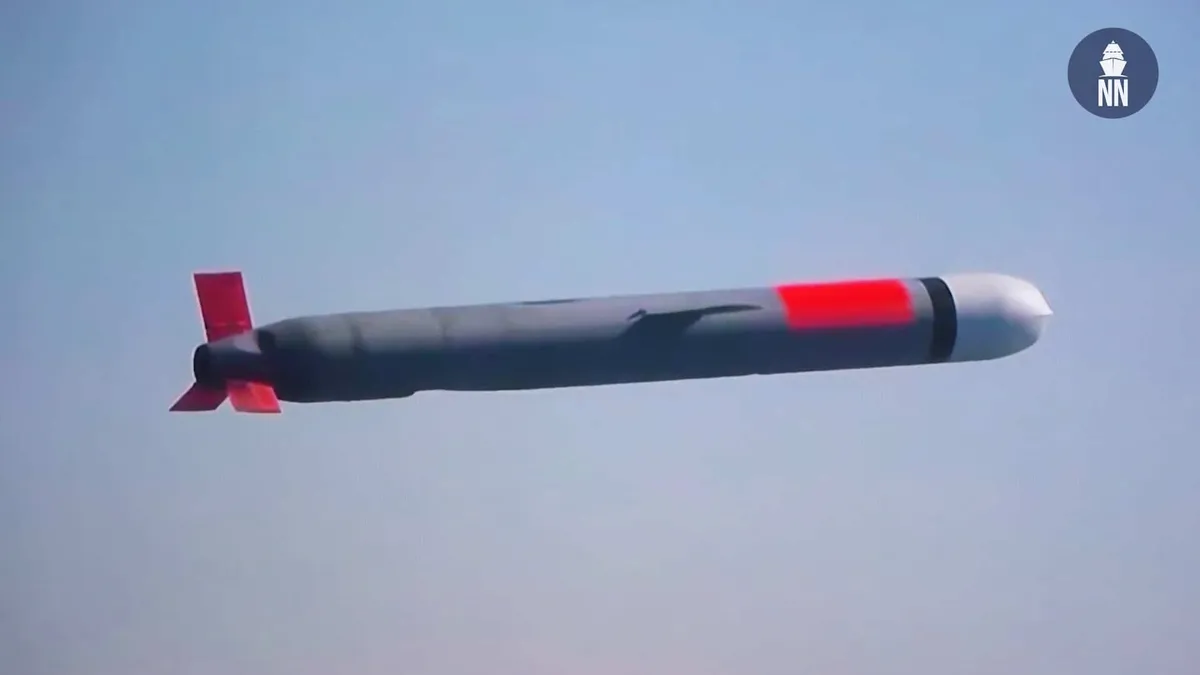
The article notes that NAWCWD bought long-lead materials ahead of the multiyear contract to compress the timeline, but the workforce constraint is harder to compress: a dozen-plus new hires training for a year means the organic line's full throughput does not materialize until mid-to-late 2027 at the earliest.
Naval Surface Warfare Center Indian Head Division in Maryland is the second government source cited, and its ramp timeline is not stated — if Indian Head faces the same staffing and materials lag, the Navy's redundancy plan for warhead supply is thinner than the ribbon-cutting implies.
NAWCWD is building organic warhead capacity because the $22.9 billion Raytheon contract accelerates Tomahawk production faster than existing supplier lines can fill.
The June 2027 target is tight: key materials carry up to a year lead time, more than a dozen new hires need roughly a year of supervised training before working independently, and the warhead specification itself required a major update during the demonstration build.
If the China Lake line slips past June 2027, Raytheon's accelerated production schedule runs ahead of available warhead supply, creating a finished-missile gap at exactly the moment the fleet is consuming Tomahawks in an active theater.
What is the current WDU-36/B warhead inventory level relative to the accelerated Tomahawk production schedule — specifically, how many months of production does the existing stockpile cover before the China Lake and Indian Head lines must be online to avoid a gap?
Fault Lines
Strategic intelligence, synthesized daily — with a public track record. Every call graded against what actually happened.