Virtual Photons in Superconductor Interfaces Could Alter Materials Engineering for Defense Sensors
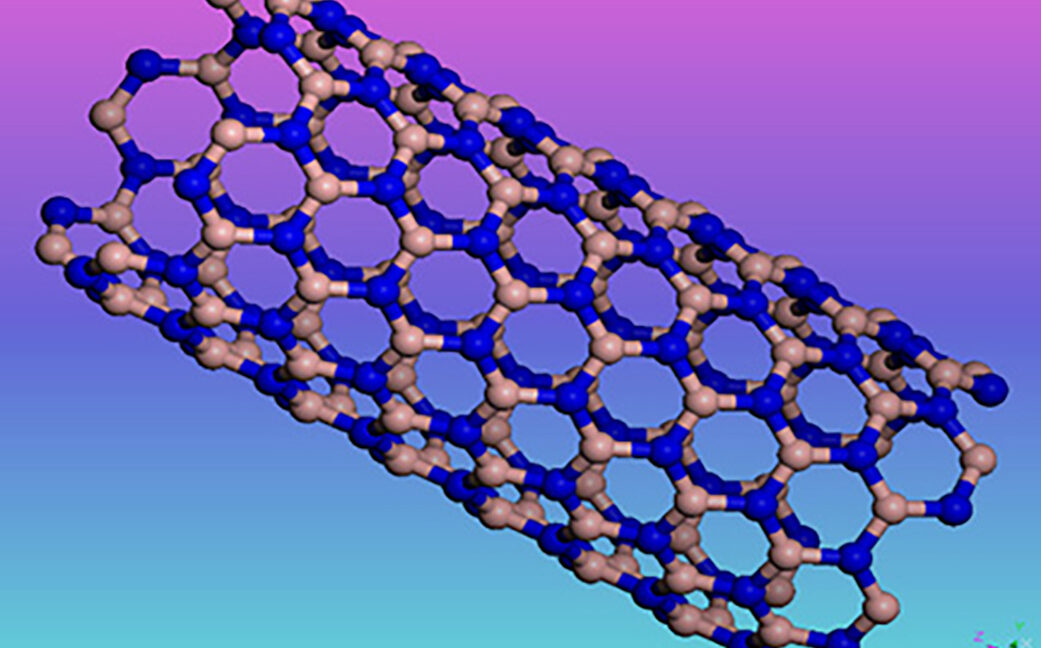
Virtual photon engineering could lower the operational cost (electrical power, cooling logistics) of existing superconducting RF and sensor systems deployed on platforms with tight thermal budgets—submarines, destroyers, and airborne early warning aircraft.
If this translates into hardware, it reduces the sustainment burden on Navy logistics chains and extends mission endurance for SIGINT platforms, but only after materials transition from lab to production, a gate that typically requires 7–10 years and is not yet underway.
If confirmed and engineered into practice, this mechanism could enable more efficient superconducting devices with lower operating temperatures or higher critical currents, reducing the cooling burden on shipboard radar systems, airborne SIGINT platforms, and ground-based RF sensors.
The discovery is still at the fundamental physics stage; translation to defense-relevant hardware typically requires 5–10 years of materials engineering and validation. The immediate relevance is to materials scientists and component developers (especially those working on cryogenic systems for Raytheon, Northrop, and Navy labs), not to procurement timelines or force structure in the near term.
The article does not specify which superconductor-material pairs benefit most from this effect, whether the gain is sufficient to justify re-engineering existing systems, or whether any defense contractor has already begun exploring this pathway.
Fault Lines
Strategic intelligence, synthesized daily — with a public track record. Every call graded against what actually happened.