Trump Invokes Emergency Arms Sale Authority Mid-Conflict; Congressional Oversight Gaps Widen
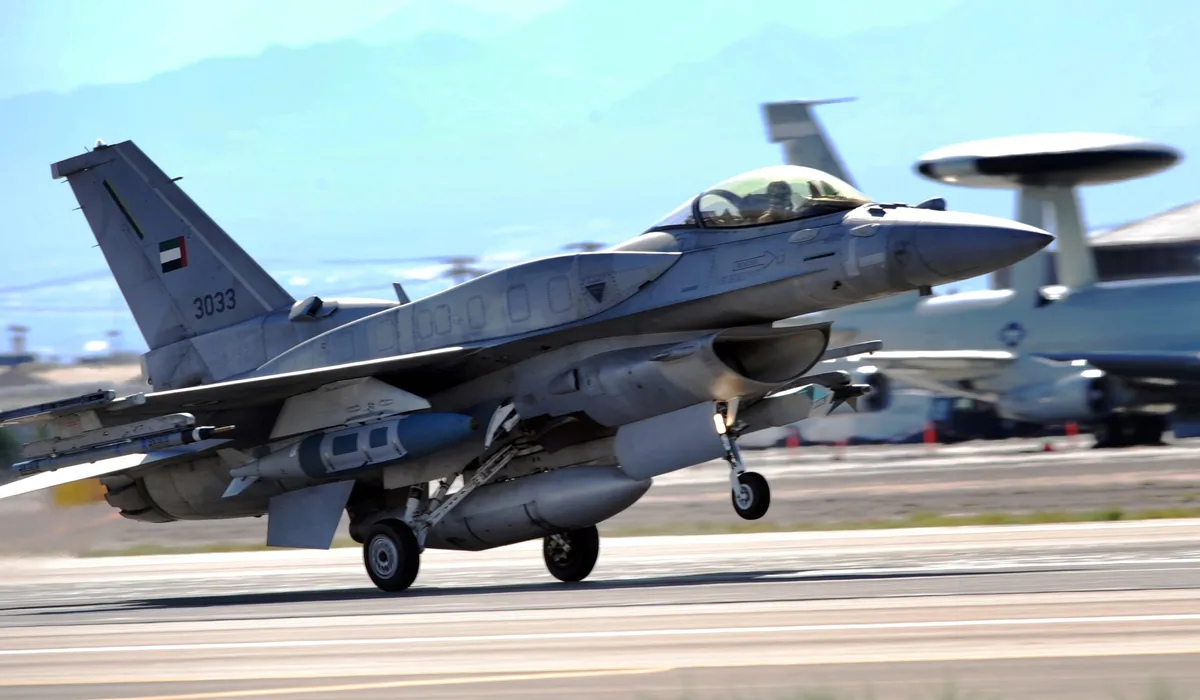
Emergency sale authority converts congressional delay into a procurement variable that now moves at operational tempo rather than legislative tempo.
If the 5-day diplomatic pause fails and strikes resume on March 28, Trump's ability to re-authorize emergency sales without new Congressional action will determine whether Israeli and Saudi air defense can sustain attrition rates — making the arms pipeline itself a constraint on operational duration.
Concurrently, accelerated drawdowns from US Middle East stockpiles reduce Pacific Command's pre-positioned inventory, forcing a tradeoff between current conflict sustainment and Taiwan contingency reserves.
Emergency arms sale authority bypasses the standard 30-day congressional notification period, compressing decision cycles from weeks to days.
During active combat operations (now in day 6), this enables rapid ammunition, air defense, and precision-guided munition restocking for Israel and Saudi Arabia without legislative friction — but creates audit gaps that will surface in post-conflict reviews.
For program managers: expect accelerated delivery schedules on existing contracts (Patriot, THAAD, Joint Direct Attack Munitions) and potential contract modifications to existing primes (RTX, Lockheed, Boeing) to meet emergency drawdown rates.
For investors: this signals sustained high-tempo procurement through at least the 5-day diplomatic window Trump announced; if talks fail and strikes resume, emergency authorities will likely be renewed.
The article does not specify which weapons systems or quantities Trump authorized, which allies received priority allocation, or whether emergency sales are being drawn from existing US stockpiles (affecting readiness) or accelerating new production contracts.
Fault Lines
Strategic intelligence, synthesized daily — with a public track record. Every call graded against what actually happened.