Ukrainian Drones Strike Transneft Hub 1,500 km Behind Lines; Russian Refining Capacity Fractured
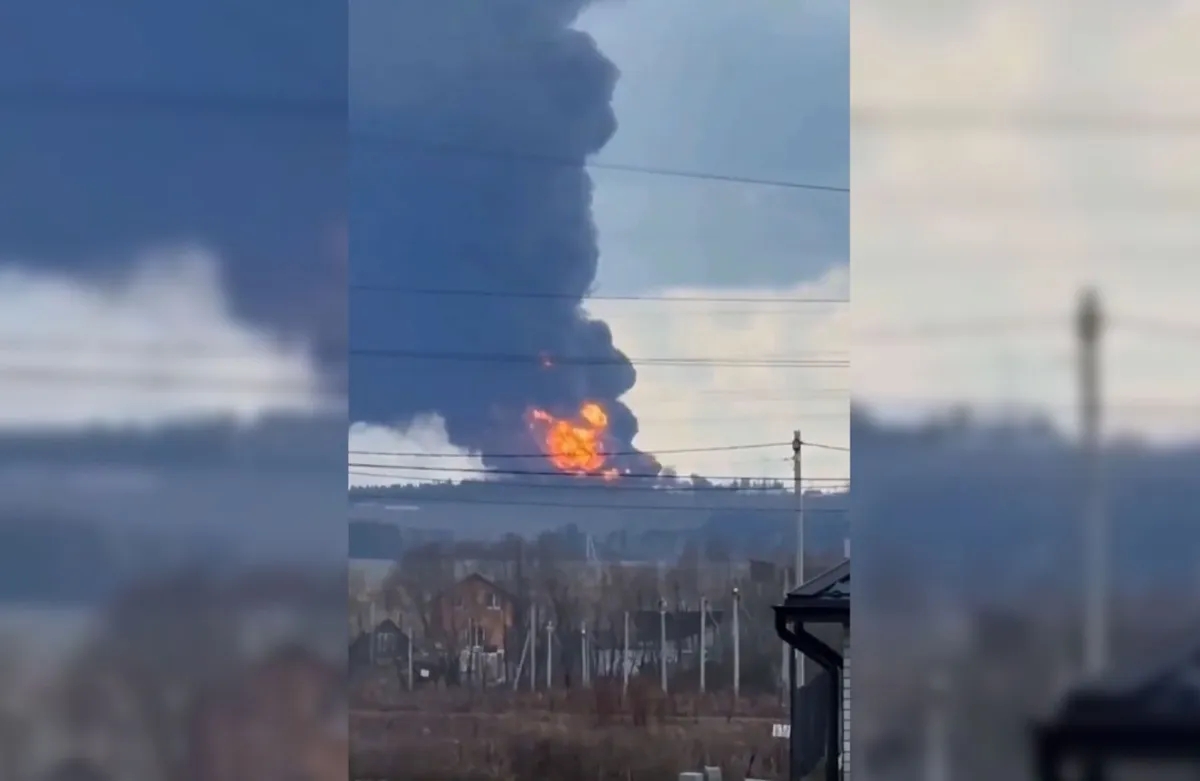
Energy infrastructure strikes directly feed into the Hormuz blockade cascade already underway. Global crude supply is already constrained by Iran offline (per April 28-29 signals); simultaneous degradation of Russian refining capacity tightens the global fuel market further and raises prices for all NATO allies.
This forces allied militaries to compete with civilian demand for refined products, creating a procurement pressure point for logistics contractors (Oshkosh, General Dynamics) on military vehicle sustainment contracts.
If Russian fuel rationing extends to military operations, Ukraine gains operational advantage without firing a conventional round — Russia's logistics tail becomes the limiting factor on its own offensive capability.
This is the third consecutive day of Ukrainian strikes on Russian energy infrastructure (Orsk refinery hit April 29, per prior signal).
Ukraine is now systematically degrading Russian refining capacity at scale and range — no longer just hitting targets near the border. Transneft is Russia's monopoly crude transport operator; sustained damage to its pumping network compounds the logistical crisis already created by the Hormuz blockade cutting global oil supply.
Russia's domestic refining is now under pressure from both directions: constrained crude input (Iran offline, global supply tight) and degraded processing capacity. This forces Moscow to either accept fuel shortages domestically or divert military logistics away from Ukraine operations.
The 'oil rain' visible fallout suggests the fire is substantial enough to create atmospheric contamination — a signal the damage is not a small tactical hit. For defense investors: Russian logistics contractors face margin compression as fuel costs spike and availability tightens. Any NATO ally dependent on Russian energy transshipment (Kazakhstan, Central Asian states) faces supply disruption.
Russian air defense over the Urals is now a contested variable — if Ukraine can penetrate 1,500 km with drones, Russian strategic depth assumptions are broken.
How many Transneft pumping stations feed the main crude trunk lines to Western Russian refineries, and what is the repair timeline for the Perm facility?
Fault Lines
Strategic intelligence, synthesized daily — with a public track record. Every call graded against what actually happened.