Honeywell Delivers First Three TPE331 Engines for India's HTT-40 Trainer
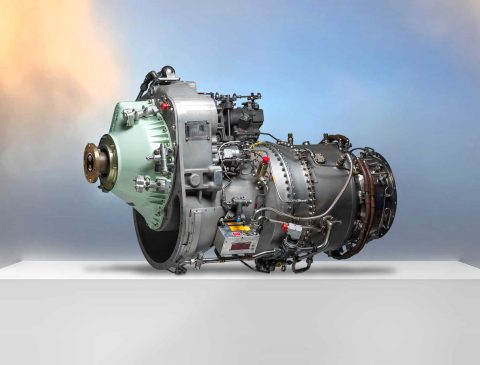
The HTT-40 is part of India's broader aircraft self-sufficiency strategy (alongside the LCA Tejas fighter and the C-295 transport co-production with Airbus).
If HAL successfully absorbs engine production, it creates a replicable model for other platforms and reduces foreign leverage over trainer availability — a strategic asset in a contested Indo-Pacific where pilot attrition and training bottlenecks directly affect force readiness.
Conversely, if the handoff stumbles, it signals that India's manufacturing ecosystem still cannot scale from assembly to complex component production, which undermines the credibility of the broader indigenization roadmap.
This marks the operational entry point for a trainer platform designed to reduce India's dependence on foreign aircraft for pilot qualification — a capability gap that has constrained IAF throughput for a decade.
The 16-engine contract window is the critical constraint: if HAL masters the TPE331 production handoff within that span, India gains a sustainable pilot pipeline independent of Beechcraft or Pilatus imports; if the transition fails, the HTT-40 becomes a one-time procurement and the IAF reverts to foreign trainers.
Watch the FY27 HAL production milestone (expected Q4 2026) to see whether local manufacturing ramp stays on schedule.
What is HAL's actual tooling and workforce readiness for TPE331 production — is the 16-engine transition realistic, or is it a placeholder pending a longer Honeywell contract extension?
Fault Lines
Strategic intelligence, synthesized daily — with a public track record. Every call graded against what actually happened.