Russia Strikes Kyiv at 50 Sites, Deploys Oreshnik ICBM; Ukraine Hits Transneft Pipeline in Retaliation
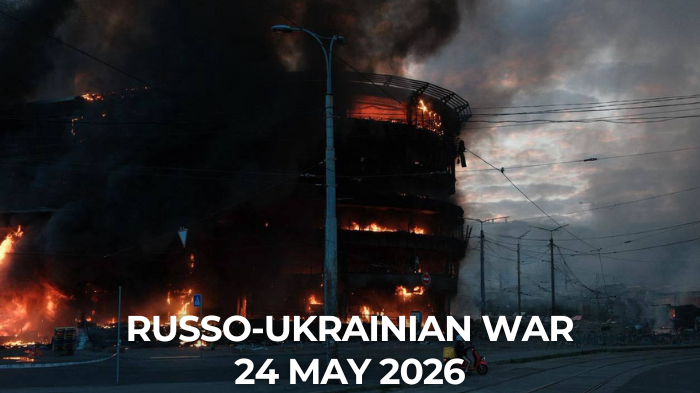
The Oreshnik deployment follows the pattern established in the May 24 morning strike (already reported by Fault Lines). If Russia is cycling Oreshnik into regular strike packages—not as a one-off demonstration but as a recurring tool—it forces Ukrainian air defense to choose between exhausting interceptor stocks on hypersonic targets or accepting undefended strikes.
Ukraine's pipeline strike on Transneft's Vladimir node is not symbolic; Transneft supplies the Moscow region and central Russia, meaning this hit directly degrades fuel availability for Russian military logistics.
If Ukraine can sustain this targeting cadence against Russian rear-area infrastructure while Russia sustains Oreshnik deployments, both sides enter a war of attrition on supply chains rather than front-line maneuver.
Russia's escalation from conventional strikes to Oreshnik deployment signals a shift toward systems designed to overwhelm Ukrainian air defenses and impose attrition costs on the defense industrial base.
Ukraine's counter-strike on Russian fuel infrastructure—hitting a pipeline node that feeds Moscow's supply chain—indicates a deliberate strategy to degrade Russian rear-area logistics in response to each escalatory move. The Transneft strike targets the same vulnerability Russia exposed: energy infrastructure that sustains both military operations and civilian support for the war effort.
Watch whether Russia responds with renewed strikes on Ukrainian power generation or whether this settles into a new equilibrium of tit-for-tat infrastructure targeting.
How many Oreshnik missiles does Russia have in operational inventory, and at what rate can it produce them? The frequency of deployment will determine whether this represents a tactical escalation or a sustainable shift in strike doctrine.
Fault Lines
Strategic intelligence, synthesized daily — with a public track record. Every call graded against what actually happened.