New Zealand Defense Budget Rises 8.4% to NZ$5.49B; RNZN Receives Increased Allocation
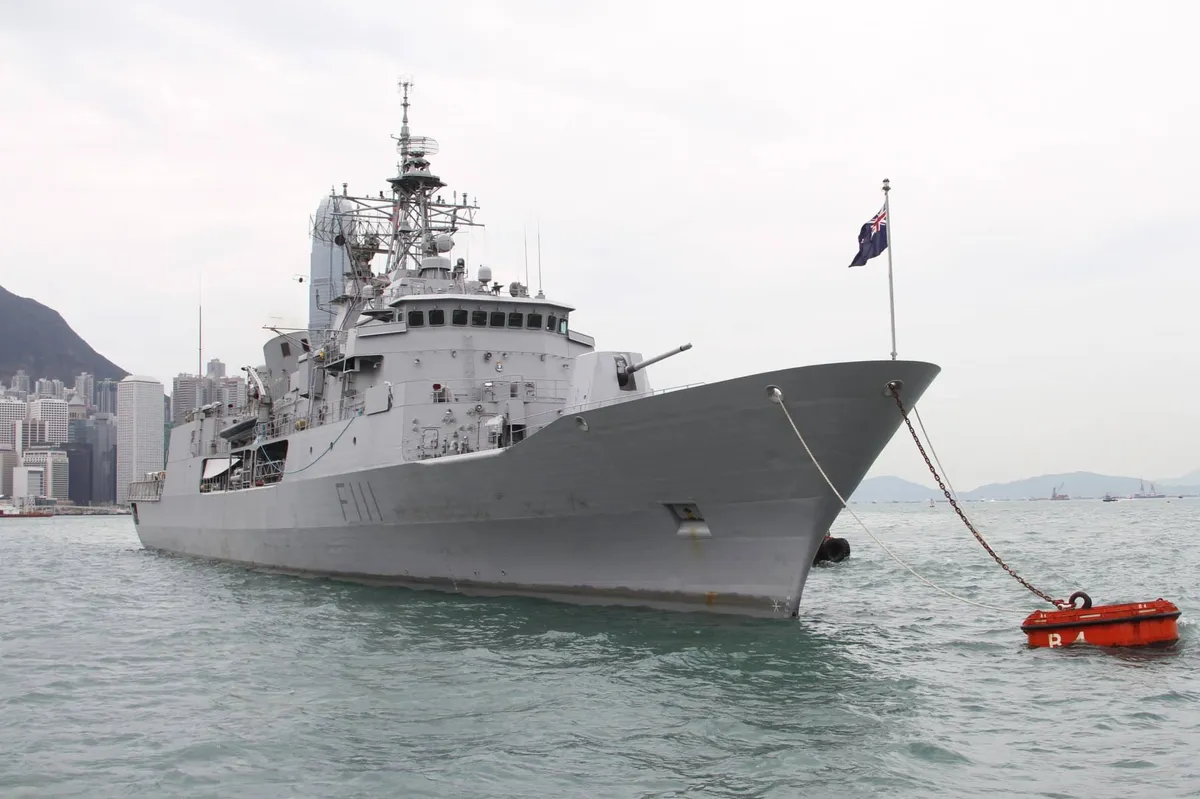
The timing is not coincidental. New Zealand's budget increase lands 48 hours after the Quad announced $20B for critical minerals supply security—and just as Dutch and Swedish NATO allies are signaling military acceleration (Sweden donating Gripen fighters, UK-Poland mutual defense treaty signed May 27). This reflects a deliberate allied posture shift toward Taiwan Strait contingency preparation.
If the RNZN allocation funds additional frigate deployments or accelerates the submarine modernization program, New Zealand moves from diplomatic Quad participant to operational contributor—which changes INDOPACOM's force-composition math for contested operations in the Strait.
New Zealand is quietly accelerating defense spending despite domestic budget constraints—a signal that Quad members are moving beyond rhetorical commitment to actual defense-industrial investment.
The 8.4% year-on-year increase matters because it sustains the capability trajectory New Zealand needs for Indo-Pacific contingencies, particularly Taiwan Strait escort rotations and critical minerals supply-chain protection (Quad committed $20B to minerals mining/processing just 48 hours prior).
Watch whether this budget sustains the RNZN's frigate modernization timeline and whether it funds increased submarine presence in the Strait—both are decision points for INDOPACOM force planning.
How much of the NZ$5.49B goes specifically to RNZN platforms versus Army and Air Force? The article mentions RNZN benefits but doesn't break down the allocation—critical for assessing whether New Zealand is actually building Indo-Pacific strike capability or just maintaining readiness.
Fault Lines
Strategic intelligence, synthesized daily — with a public track record. Every call graded against what actually happened.