Space Command Relocates 200 Personnel to Alabama HQ by April; Operational Continuity Risk During Active Conflict
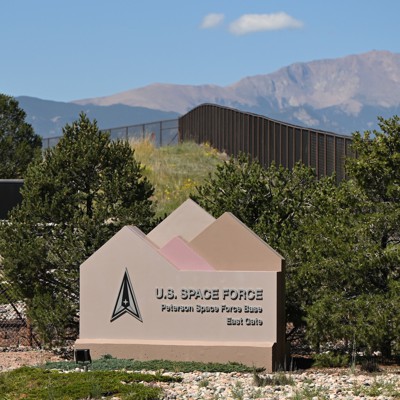
Space Command's operational tempo directly constrains Middle East military operations: real-time satellite imagery and communications relays feed targeting data for strikes on Iranian nuclear and military sites, and any degradation in command continuity during the relocation window reduces the speed and precision of future strike packages.
If the April move is incomplete or experiences integration delays, the administration's April 6 deadline for Iran energy strikes becomes operationally constrained — forcing either a postponement of the deadline or execution of strikes with degraded space support. This converts an internal DoD logistics event into a variable affecting the administration's ability to execute stated policy on Iran.
This relocation occurs while the U.S. is actively engaged in sustained military operations across the Middle East and Indo-Pacific — with 50,000+ troops deployed to the region, two carrier strike groups forward, and ongoing space-dependent ISR, communications, and targeting operations supporting strikes on Iran and allied air defense.
Moving command personnel during active conflict introduces operational risk: transition periods expose command-and-control vulnerabilities, and the timeline (April completion) coincides with the Trump administration's April 6 deadline for potential strikes on Iranian energy infrastructure and ongoing contingency planning for ground operations.
If the relocation experiences delays or integration issues with the new facility's systems, it could degrade real-time coordination of space assets supporting Middle East operations. The strategic risk is not the move itself but the timing — this is a transition during wartime, not peacetime.
The article does not specify: (1) whether the new facility's command systems are fully operationalized and integrated with CENTCOM networks, (2) how many Space Command personnel will remain at Colorado Springs during the transition, (3) whether the move will degrade satellite tasking or ISR response...
Fault Lines
Strategic intelligence, synthesized daily — with a public track record. Every call graded against what actually happened.