Israel Expands Lebanon Occupation; Targets Outside Hezbollah Zones Signal Wider Territorial Aim
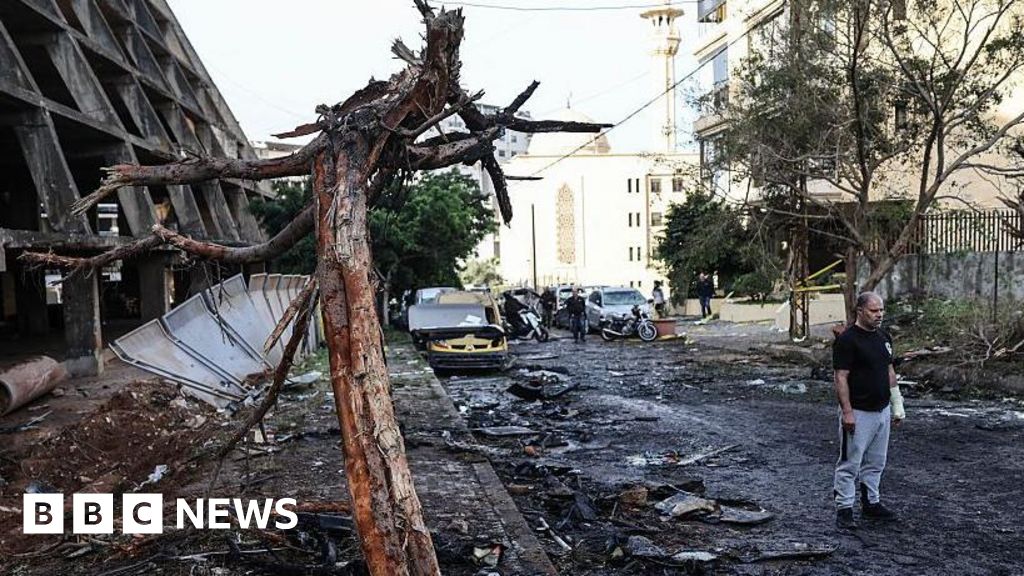
Israel's shift from strike-and-respond to territorial occupation forces a choice on US force posture: either the 82nd Airborne and Marine ARG expand into occupation support (extending their deployment indefinitely and consuming logistics capacity allocated for Iran contingencies), or they remain in a fire-support role while Israel absorbs occupation costs alone.
Either path breaks Trump's exit timeline and converts what was framed as a limited strike campaign into an open-ended territorial conflict, which will surface in defense budget negotiations and allied burden-sharing discussions.
This marks the opening of a second active theater in the US-Israel campaign.
Hezbollah's March 31 attacks on the Lebanon-Israel border (already signaled) have now triggered Israeli territorial expansion rather than containment — Israel is no longer responding to Hezbollah strikes but seizing ground.
This complicates the Trump administration's stated 2-3 week exit window: occupation of Lebanese territory requires either a negotiated withdrawal agreement (which Iran's foreign minister Araghchi has rejected) or indefinite presence.
If Israel consolidates control over southern Lebanon while US strikes on Iran continue, the conflict transitions from a strike campaign into a multi-front occupation, extending timelines and raising costs for both the US and Israel.
Defense contractors should track whether this triggers expanded rules of engagement for US forces already deployed (82nd Airborne, USS Tripoli ARG) and whether occupation logistics reshape ammunition and fuel procurement.
The article does not specify which areas outside Hezbollah control are being targeted, how much territory Israel intends to occupy, whether this is coordinated with the US, or what political conditions Israel has set for withdrawal.
Fault Lines
Strategic intelligence, synthesized daily — with a public track record. Every call graded against what actually happened.