Pentagon Seeks 188% Missile Budget Hike; Delivery Bottleneck Risk Emerges Amid Hormuz Blockade
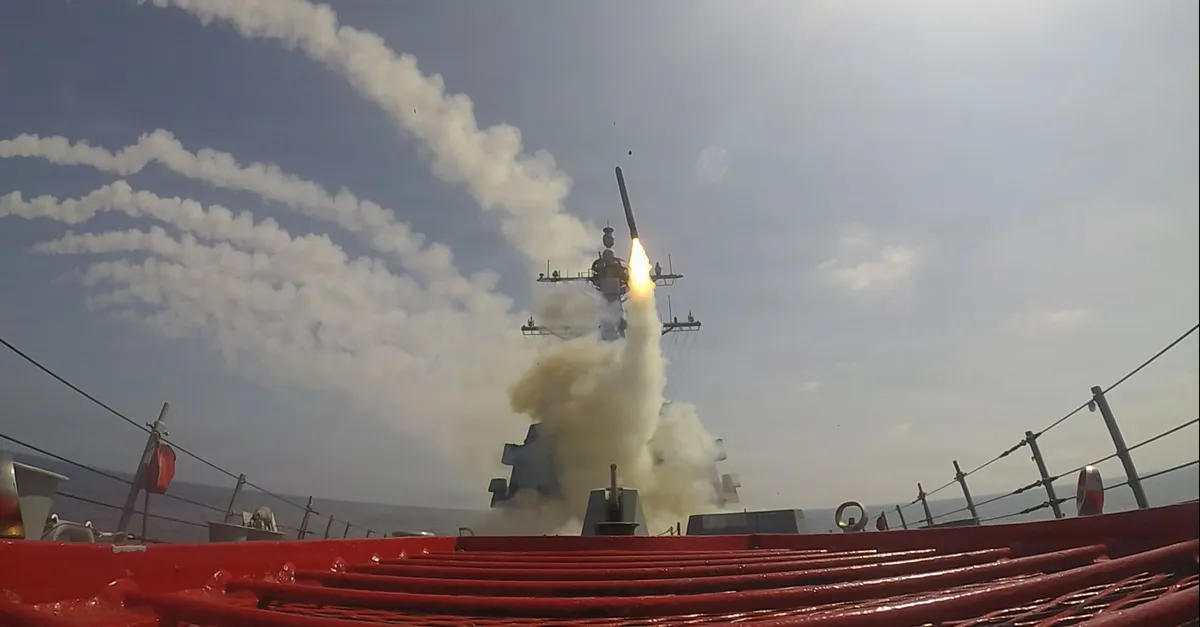
The $70.5B munitions surge directly competes for the same supply chains now constricted by the Hormuz blockade: aluminum, titanium, rare-earth elements for guidance systems, and electronic components sourced through Indo-Pacific suppliers.
If Iran retaliates against US vessels or escalates mine-laying in the strait, insurance costs and reroute delays compound the production timeline risk, forcing the Pentagon to choose between accepting delivery slippage or authorizing emergency airlift that consumes the procurement budget on logistics rather than missiles.
This converts a domestic procurement decision into a geopolitical leverage point — Iran's ability to disrupt the strait now directly throttles US munitions readiness.
The timing amplifies procurement risk.
The Hormuz blockade (now in effect as of April 13) has already triggered tanker reroutes and insurance spikes; a sustained 188% munitions budget increase assumes supply chain stability that may not exist if the blockade persists or escalates into direct Iranian retaliation.
Defense primes (Raytheon, Northrop, Lockheed) face simultaneous demands: surge production capacity while managing raw material sourcing through a contracting global supply corridor. Multiyear contracting can lock in prices but only if suppliers can actually deliver within the contracted timeline — a bet that depends on Hormuz remaining open or alternative logistics routes absorbing the load.
If the blockade extends beyond 90 days, expect prime contractor margin pressure and potential contract renegotiations.
The article does not identify which munition types are prioritized (air-defense, anti-ship, cruise missile, loitering), which primes hold the largest contracts, or what production capacity currently exists versus what the 188% increase requires.
Fault Lines
Strategic intelligence, synthesized daily — with a public track record. Every call graded against what actually happened.