Putin Arrives in Beijing to Push Stalled Power of Siberia 2 Pipeline Deal
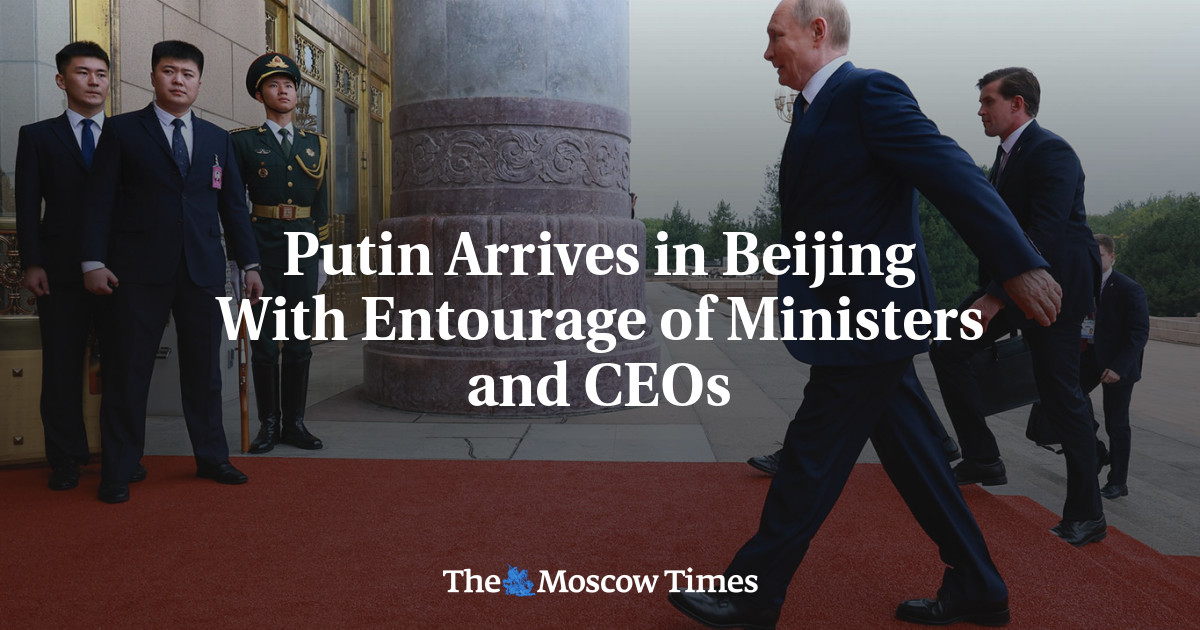
The ministerial composition matters more than the headline. If Putin brought Gazprom, Rosneft, and VEB (state development bank) executives, this is a financing negotiation—China would need to either accept lower rates or co-invest through Belt and Road mechanisms. If he brought Defense Ministry or FSB officials, this is a geopolitical signal: PoS2 becomes leverage in a broader US-China-Russia triangle.
The corporate delegation signals the former, but the timing—sandwiched between Trump's Beijing visit—suggests Putin is testing whether Trump's engagement with Xi has opened space for Moscow to advance.
Xi now faces explicit pressure to commit capital to Russian energy infrastructure at the moment when US-China relations are in flux and European energy markets are recalibrating away from Russian gas.
If Xi greenlights PoS2, it signals Beijing is willing to absorb sanctions risk and lock in long-term energy dependency on Moscow—a strategic bet that constrains China's own negotiating leverage with Washington. If he delays, Putin loses a critical revenue stream ($60+ billion over the contract lifetime, per prior reporting) and must accelerate LNG pivots to India and Southeast Asia.
The decision window is narrow: European LNG capacity is tightening, and every month of delay increases the cost of pipeline construction and reduces the asset's strategic value to Russia.
Did Putin present Xi with revised terms (lower prices, longer payment windows, or sanctions-circumvention mechanisms) to break the stall, or is this a show of force to signal resolve?
Fault Lines
Strategic intelligence, synthesized daily — with a public track record. Every call graded against what actually happened.