China Controls One-Third of African Port Projects; Operational Dominance Compounds Strategic Exposure
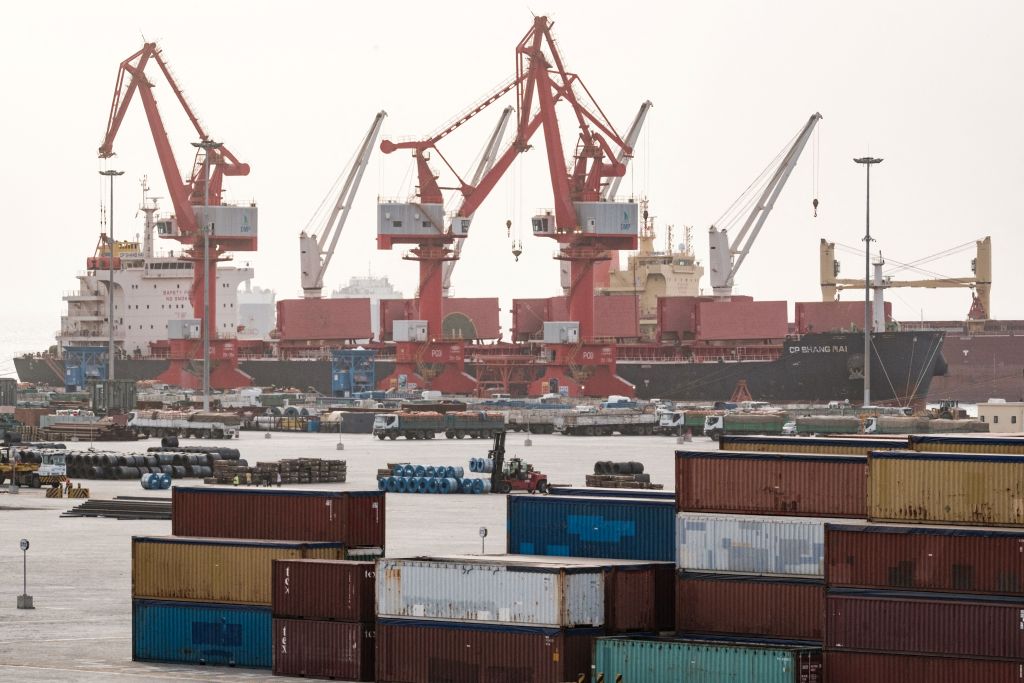
Chinese operational control of African ports directly constrains U.S. Navy logistics planning and allied port access during regional contingencies. If Chinese firms control port operations in East Africa (Djibouti, Mombasa, Dar es Salaam corridors), the U.S.
Navy loses assured logistics nodes for Indo-Pacific operations and faces increased risk of port denial during a Taiwan scenario; this forces INDOPACOM to pre-position supplies further at sea or negotiate alternative access, raising sustainment costs.
Simultaneously, Chinese port dominance in West Africa (Gulf of Guinea) undercuts U.S. counter-piracy and counter-narcotics operations by limiting bunkering and repair access, shifting burden to smaller allied navies (UK, France) with constrained regional presence.
Chinese port control in Africa creates three distinct exposures for U.S. and allied defense planners.
First, ports are dual-use infrastructure; operational control enables intelligence collection on naval movements and cargo flows, particularly in strategically sensitive chokepoints (Suez approaches, Strait of Hormuz transit corridors). Second, Chinese ownership of port operations provides leverage over African governments' foreign policy alignment—debt dependencies and job creation become coercive tools.
Third, if confirmed that Chinese firms dominate the *entire* development pipeline (finance, construction, operations), this locks out Western contractors (Bechtel, Fluor, Technip FMC) from a continent with $2+ trillion in infrastructure needs through 2035.
The scale claim ('one-third of all African port developments') requires geographic and project-level breakdown to assess whether this is concentrated in a few strategic corridors (East Africa, Gulf of Guinea) or dispersed.
The article does not specify: (1) which African ports or regions are affected; (2) the timeline of these projects; (3) whether Chinese control extends to naval facility access or only commercial operations; (4) the total capital value of these projects; (5) how many of the one-third involve full ope...
Fault Lines
Strategic intelligence, synthesized daily — with a public track record. Every call graded against what actually happened.