Russia Monetizes African Fishing Rights via State Expedition Cover
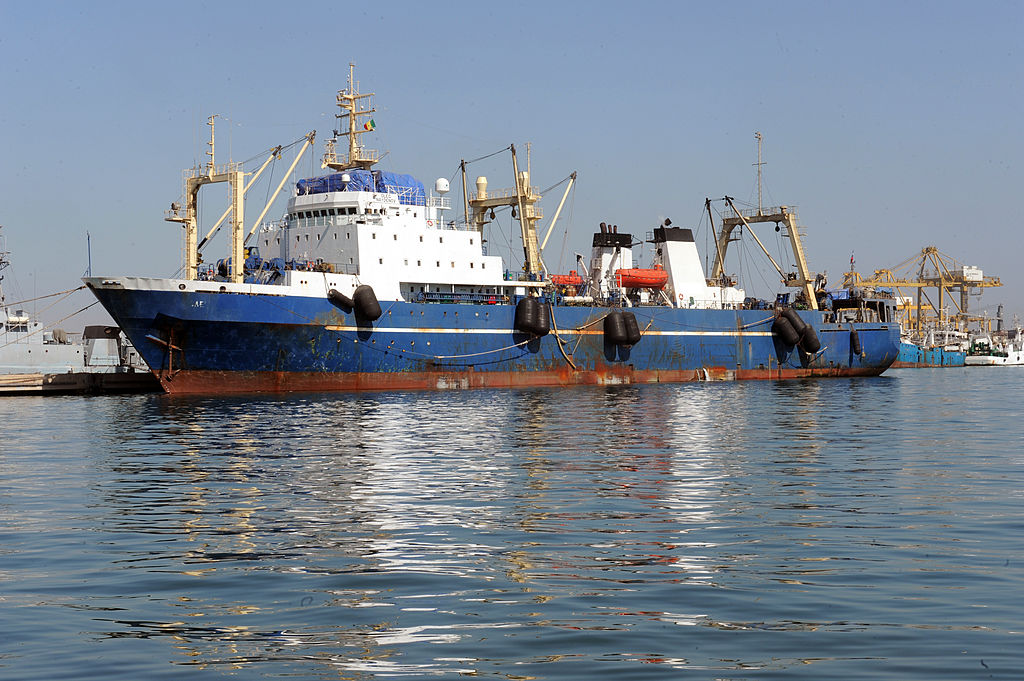
Russia's use of civilian fishing operations as cover for maritime presence in African waters creates a dual-use logistics footprint that can support both commercial and naval activity.
If Russia secures multiple African port-of-call agreements under the guise of fisheries infrastructure, it builds a distributed refueling and maintenance network that reduces operational costs for Russian naval deployments to the Indian Ocean and Middle East — directly lowering the logistical friction that constrains Russian power projection in regions where the U.S. Navy operates.
This forces African nations into a choice: accept Russian presence as an economic partner or risk losing fishing revenue, which tilts some governments away from Western defense partnerships and toward strategic ambiguity.
Russia is converting soft-power access into hard currency at a moment when Western sanctions restrict its traditional revenue sources.
If Russia is securing long-term fishing concessions in African EEZs, it gains both immediate cash flow and persistent maritime presence in regions where the U.S. and Europe have limited naval basing.
This matters to defense planners because sustained Russian maritime activity in African waters — even under civilian cover — expands Moscow's ability to conduct ISR, position naval assets, and cultivate client relationships in strategic chokepoints (Gulf of Guinea, Suez approaches).
The outcome depends on whether African governments view this as legitimate economic partnership or recognize it as a geopolitical play; if the latter, it could accelerate Western defense partnerships in the region.
The article does not identify which African nations granted or are negotiating fishing rights, the volume or species of fish involved, the revenue Russia expects, or the duration of concessions.
Fault Lines
Strategic intelligence, synthesized daily — with a public track record. Every call graded against what actually happened.