ULA Vulcan Booster Anomaly Delays Space Force GPS Constellation Refresh
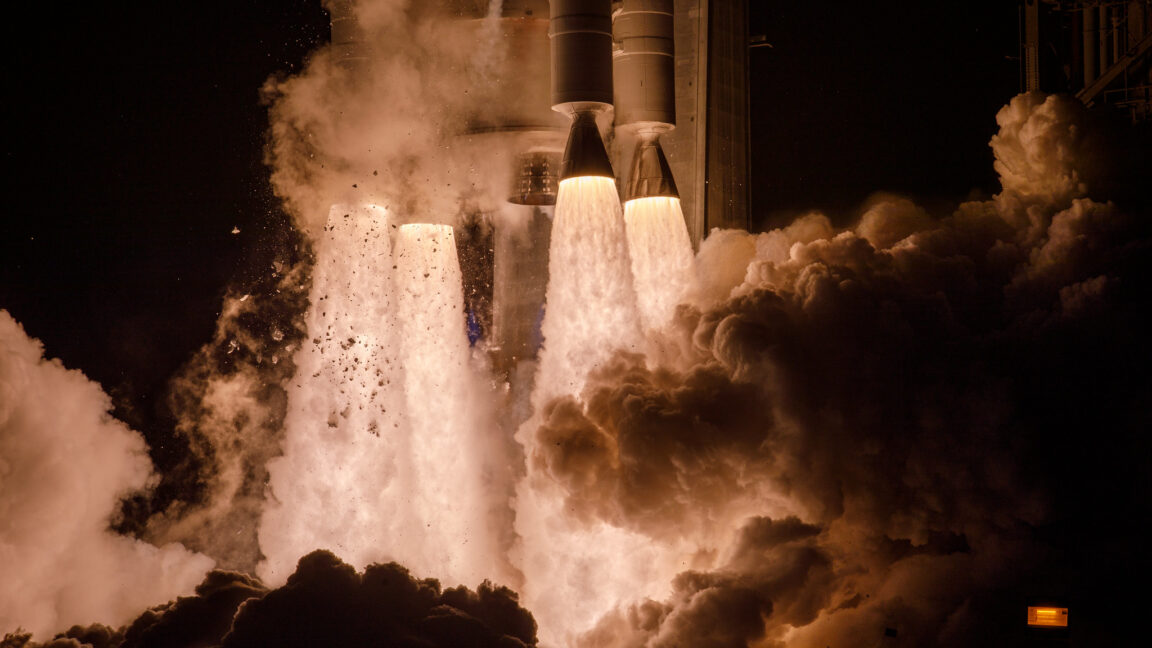
Vulcan delays compress the Space Force's ability to refresh GPS satellites while managing active interference—a dual constraint that forces trade-offs in launch manifest prioritization.
If the investigation reveals a design defect, ULA's entire NSLS manifest (which includes ICBM-related payloads and classified missions) faces cascading delays, shifting launch priority decisions from operational need to technical readiness. This converts what appears to be a single anomaly into a procurement/readiness problem if the investigation extends beyond the current vehicle.
The Space Force depends on ULA's Vulcan for National Security Launch System (NSLS) missions, including GPS satellite replenishment.
A multi-month investigation directly delays the cadence for refreshing aging GPS satellites — a critical infrastructure asset already stressed by interference problems the article references but does not detail.
If the investigation reveals a systemic design flaw rather than a one-off anomaly, ULA's launch manifest (which includes other national security payloads) faces extended disruption, forcing the Space Force to extend sustainment on legacy GPS satellites and potentially compress launch windows for other high-priority missions.
The article does not specify which Vulcan missions are affected or the magnitude of delay, leaving uncertainty about whether this is a single-mission slip or a broader cadence disruption.
The article does not identify the specific booster anomaly, the root cause hypothesis, which Vulcan mission(s) are delayed, the Space Force's contingency timeline for GPS constellation refresh, or the nature/severity of the GPS interference problem it references.
Fault Lines
Strategic intelligence, synthesized daily — with a public track record. Every call graded against what actually happened.