Air Force Defers KC-135 Replacement; Budget Prioritizes Upgrades Over New Tanker Development
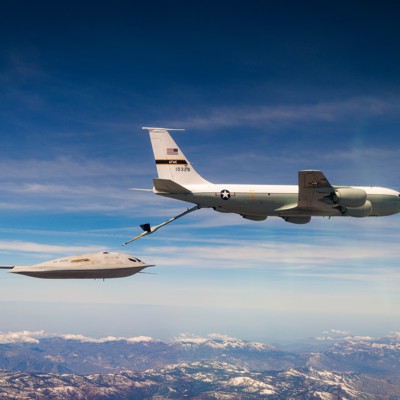
The tanker deferral cascades into Pacific force projection timelines. A new tanker fleet (KC-46 or equivalent) requires 8-12 years from contract award to IOC; deferring the decision by even one budget cycle pushes operational availability past 2038.
If a China contingency materializes before 2035, the Air Force fights with KC-135s and extended KC-46 LRIP contracts — fewer total aircraft, longer turnaround times between sorties, and higher pilot fatigue. This directly constrains the number of sustained strike packages available to Pacific Command, which was already factored into the $1.5T budget as a capability gap.
This is a forced choice, not a strategic preference.
The $1.5T FY27 defense budget (announced April 21) is heavily weighted toward Hormuz enforcement and Pacific contingency posture — Army equipment staging at Subic Bay, Navy blockade operations, and multinational strike planning all consume near-term capital. The KC-135 fleet averages 64 years old; deferring replacement extends the service life of aircraft that were designed to retire in the 2010s.
If this deferral holds through FY28, the Air Force loses another procurement window and the industrial base (Boeing, Northrop, Airbus Defense) deprioritizes tanker development in favor of other programs. The risk is not theoretical — a major theater conflict in the Pacific or Middle East would expose the refueling bottleneck within weeks.
What specific upgrade programs are replacing new tanker development in the budget line? Are these avionics, engines, or structural life-extension kits? Without that breakdown, it's unclear whether the Air Force is buying time or accepting degraded capability.
Fault Lines
Strategic intelligence, synthesized daily — with a public track record. Every call graded against what actually happened.