Japan Fires Type 88 Anti-Ship Missiles in Philippine Exercise Amid Hormuz Escort Pause
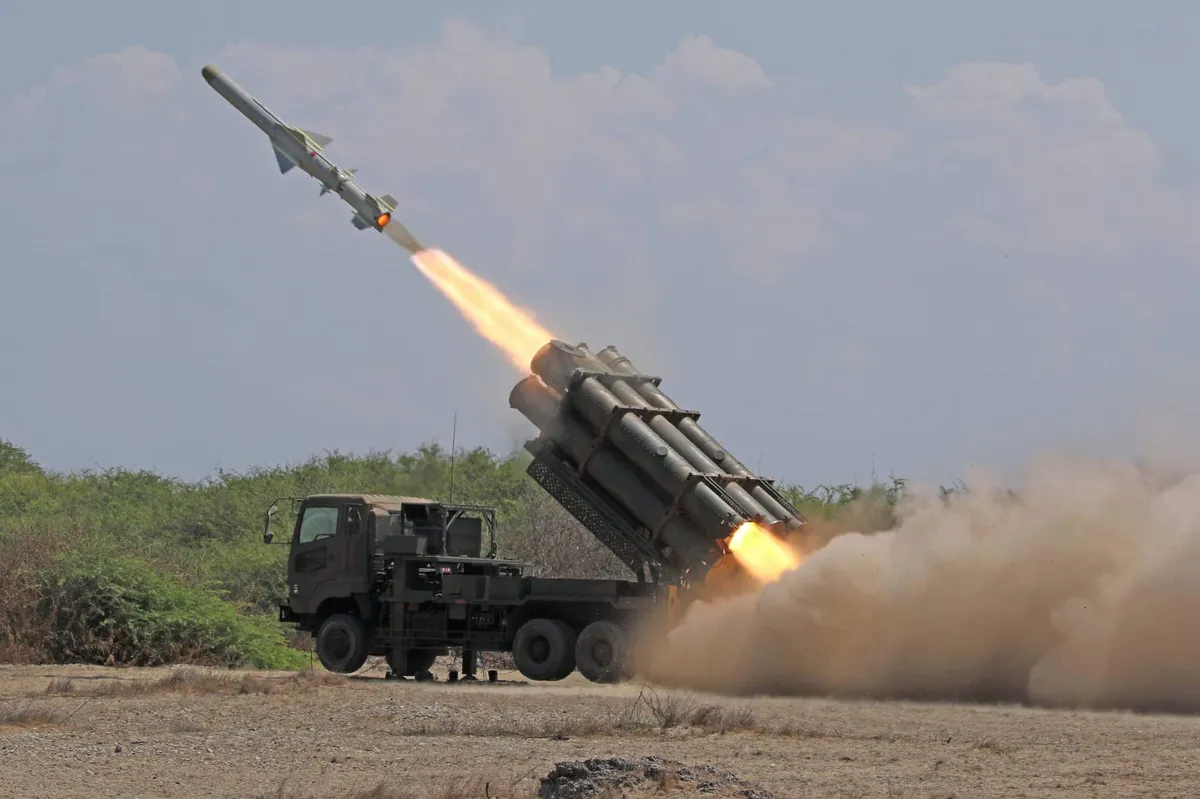
If Japan is decoupling anti-ship operations from U.S. escort doctrine, Seoul and Manila will follow. South Korea's KF-21 cleared final combat certification on May 7 — one day after the Type 88 firing. This is not coincidence: both moves position Japan and South Korea to conduct independent strike operations in the Taiwan Strait and Philippine Sea without waiting for U.S. Navy coordination.
The second-order effect: China now faces the prospect of coordinated Japanese and South Korean naval strikes on PLA surface combatants, which forces PLA Navy to assume distributed operations posture — exactly what U.S. military strategy has been pushing for, but now driven by Tokyo and Seoul, not Washington.
Japan is signaling interoperability with the Philippines in anti-ship warfare at the exact moment the U.S. has paused Project Freedom escort operations through the Hormuz — a direct message to Beijing that Japan will sustain regional strike capability independent of U.S.
Navy presence. The Type 88 has a 35 km range and carries a 250 kg warhead; firing it in a bilateral exercise with Manila (not a NATO ally) demonstrates Japan's willingness to operate unilaterally in the Indo-Pacific. Watch whether Japan announces follow-on exercises with South Korea or Taiwan in the next 60 days — that would signal a coordinated regional response to the Hormuz escalation.
Did Japan coordinate the timing of this exercise with the U.S. pause in Hormuz operations, or was the May 6 firing date set months in advance?
Fault Lines
Strategic intelligence, synthesized daily — with a public track record. Every call graded against what actually happened.