FCC Mandates Licensing for Submarine Cable Terminal Equipment Operators
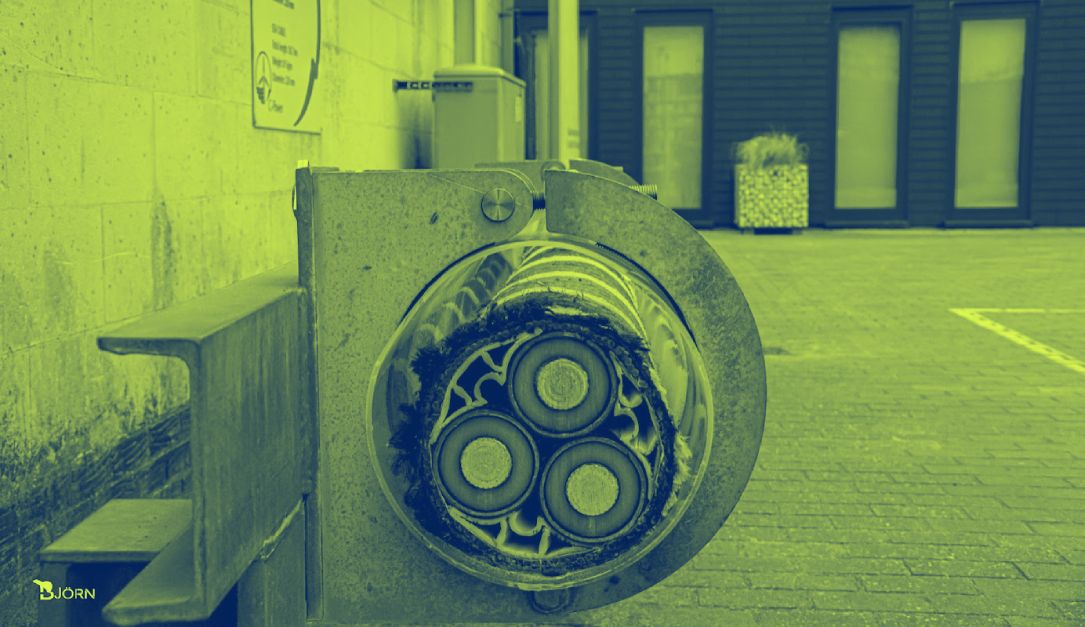
Submarine cable chokepoints are already a vulnerability—the 2022 Nord Stream sabotage and repeated Houthi targeting of Red Sea cables proved that. Licensing creates administrative friction that will slow deployment but also gives the US a veto point over which operators control terminal access.
If the FCC defines 'foreign control' to include any Chinese ownership stake (matching CFIUS practice), this effectively locks Chinese state firms and their proxy operators out of US-terminating cable systems. The second-order effect: non-US carriers will route around US terminals, fragmenting the global internet backbone and forcing alternative routing through allied infrastructure (Japan, Australia, Singapore).
This forces every undersea cable operator—including US carriers like Lumen, Verizon, and international consortiums—to submit to FCC licensing review, creating a chokepoint for infrastructure approval that didn't exist before.
The mechanism is straightforward: any new SLTE deployment or operator now requires FCC vetting before activation, which adds 6-12 months to deployment timelines and gives the agency explicit authority to block foreign-controlled terminal equipment.
Watch the FCC's Notice of Proposed Rulemaking (expected Q3 2026) for definitions of 'foreign control'—the line between allied and restricted operators will determine whether this is a targeted China policy or a broader infrastructure fortification.
Does the FCC's licensing mandate apply retroactively to existing SLTE installations, or only to new deployments? The article doesn't specify, and the answer determines whether carriers face immediate compliance costs or a phase-in period.
Fault Lines
Strategic intelligence, synthesized daily — with a public track record. Every call graded against what actually happened.