Air Force Pushes Bomber Weapons Integration to Expand Strike Options Beyond Precision Munitions
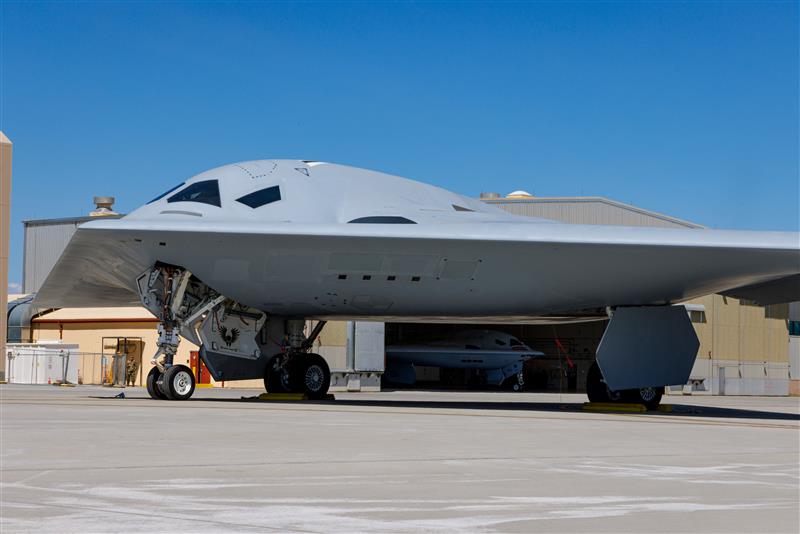
Expanding bomber weapons integration directly affects procurement sequencing for NGAD and B-21 variants: contractors must complete weapons certification before platform production locks in, creating a dependency chain where weapons development timelines now gate airframe delivery.
This also shifts leverage toward munitions suppliers (RTX's Raytheon division, Northrop Grumman) in integration contracts, as bombers become a new delivery platform for air-to-ground weapons currently optimized for fighters.
The Air Force is signaling a gap between current bomber weapons integration and operational requirements.
This drives procurement decisions for next-gen bomber platforms (NGAD, B-21 follow-on variants) and weapons developers (RTX, Northrop, Lockheed) to prioritize integration work for munitions currently restricted to fighters or ground platforms.
The constraint is technical integration, not aircraft capability — resolving it requires engineering investment and certification cycles that will compress timelines for fielding new weapons on bombers.
The article does not specify which weapon systems the Air Force wants to integrate onto bombers, what technical barriers exist, or which programs are driving this requirement.
Fault Lines
Strategic intelligence, synthesized daily — with a public track record. Every call graded against what actually happened.