Ukraine Strikes Four Aircraft at Russian Airfield in Chelyabinsk; Su-57 Confirmed Hit
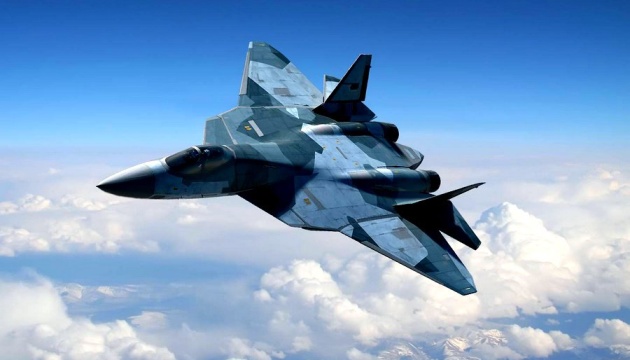
The strike demonstrates Ukraine's ability to target high-value military assets 1,000+ km from contested territory, forcing Russia to choose between accepting losses or accepting reduced operational tempo from forward bases.
This compounds the refinery attrition campaign already running — Russia loses strike capacity on both the logistics side (fuel production down 17 years) and the platform side (fewer aircraft available to deploy).
If Russia pulls aircraft back to defend Moscow region, sortie rates against Ukrainian targets decline, reducing pressure on Ukrainian air defenses and extending the operational window for Ukrainian offensive operations.
This is the first confirmed strike on a Su-57 stealth fighter, raising questions about Russian air defense coverage 1,000+ km from the front and forcing Moscow to relocate its newest combat aircraft further inland.
The hit damages Russia's already-degraded pilot training pipeline — Su-57s require specialized ground crew, and losses compress the pool of available airframes for operational squadrons. Watch whether Russia responds by hardening airfield defenses or pulling aircraft deeper into the interior, both of which degrade force projection against Ukraine.
How many Su-57s does Russia have operationally deployed, and are others being withdrawn from forward bases as a result of this strike?
Fault Lines
Strategic intelligence, synthesized daily — with a public track record. Every call graded against what actually happened.