Japan Accelerates Aegis Missile Defense Ships Amid Iran-Israel Escalation; Regional BMD Architecture Hardens
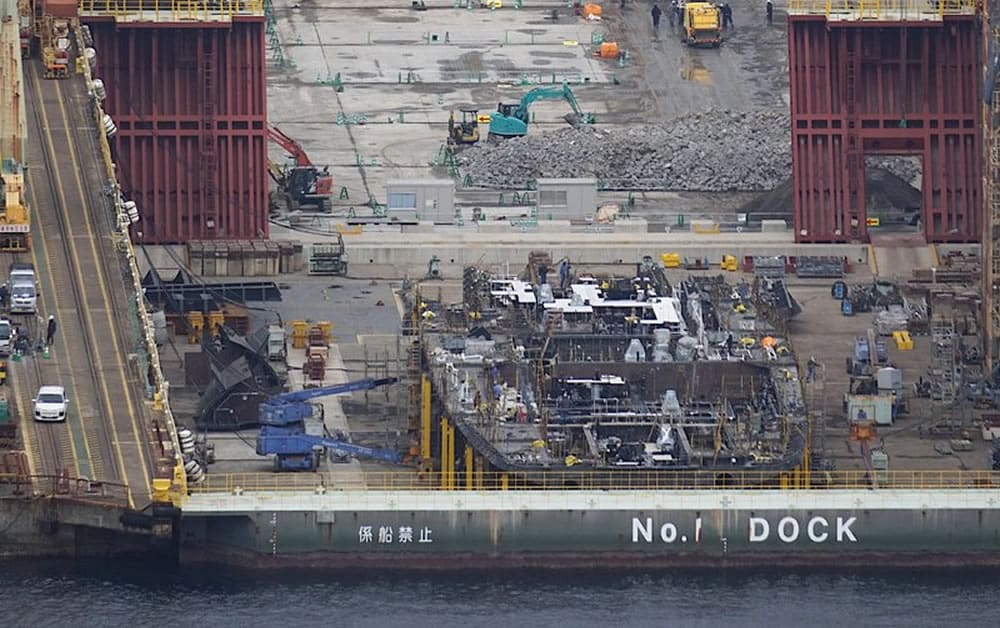
Japan's ASEV construction start hardens regional BMD architecture at a moment when Iran has demonstrated willingness to strike beyond the Middle East (Diego Garcia, March 20) and when the US has committed 50,000+ troops and two carrier strike groups to the region.
If Iran or its proxies target Japanese-flagged shipping or facilities in the Middle East during the current conflict cycle, Japan's existing air defense capacity (limited to land-based systems and aging Kongo-class destroyers) would be exposed.
Japan is locking in near-term BMD capacity during a period of demonstrated Iranian ballistic missile employment against Israel and contested interception claims (Diego Garcia strike on March 20).
The ASEV program directly addresses North Korean ICBM/SLBM threats, but the construction acceleration—moving from planning to full keel-laying within the current escalation cycle—suggests Japanese defense planners view the Iran-Israel conflict as a validation case for air defense modernization timelines.
This commits Japan to 5-7 year delivery schedules for two ships that will form the backbone of Japan's integrated air defense layer, reducing optionality for mid-course design changes if regional threat profiles shift. The program does not address Taiwan contingency naval roles and will not materially affect US-Japan force posture in the Taiwan Strait during the critical 2026-2028 window.
The article does not specify construction timeline, unit cost, or whether Japan has accelerated the delivery schedule relative to pre-March 2026 plans. Without a baseline delivery date, we cannot determine if this is schedule acceleration or routine program progression.
Fault Lines
Strategic intelligence, synthesized daily — with a public track record. Every call graded against what actually happened.