RN accelerates uncrewed systems delivery as core to hybrid fleet strategy
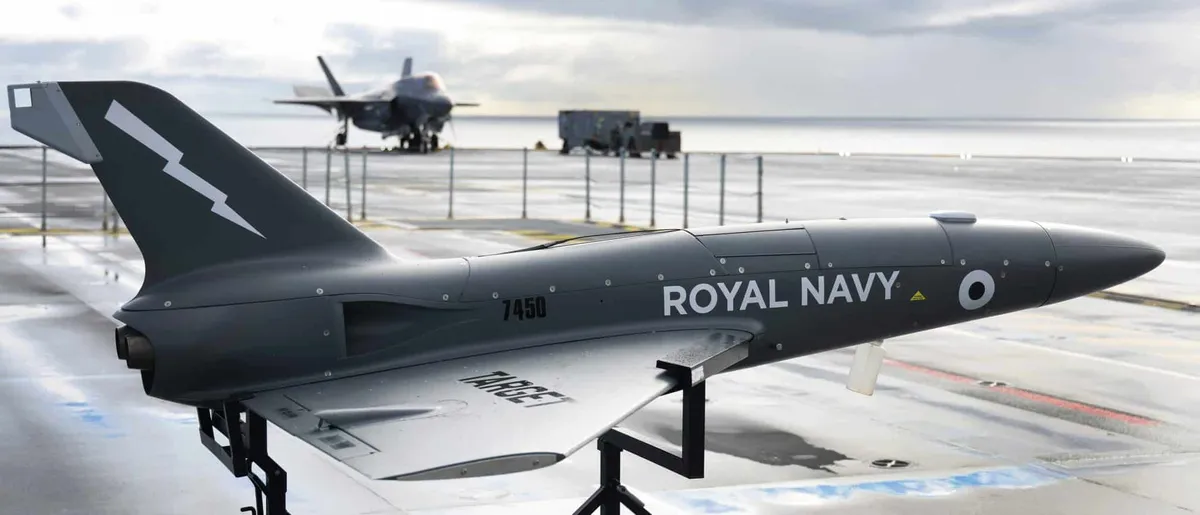
UK naval industrial capacity in uncrewed systems will face demand pressure if the RN executes this strategy. Babcock, QinetiQ, and smaller autonomy firms may see contract expansion, but only if the RN commits actual procurement dollars—not just rhetorical priority.
Simultaneously, this reflects NATO-wide recognition that unmanned systems reduce crew risk and extend operational persistence in contested waters, particularly relevant to Indo-Pacific and European deterrence postures where the RN operates alongside U.S. and allied navies.
The gap between strategy announcement and delivery will determine whether this reshapes UK defense industrial planning or remains an unfunded aspiration.
This signals UK naval strategy is formally pivoting toward autonomous and remote systems as a force-structure necessity, not a technology hedge.
If the RN follows through with accelerated procurement, it will create demand signals for UK and allied uncrewed maritime platforms (ASVs, UUVs, surface drones) and force reallocation from legacy manned platforms. The constraint is execution: 'acceleration' language often precedes delays in defense programs, and the article provides no budget, schedule, or specific platform roadmap.
Watch whether this translates into concrete procurement actions or remains aspirational messaging.
The article does not specify which uncrewed systems are in scope (surface, subsurface, air-launched), what budget or timeline the RN has allocated, or which existing programs are being accelerated versus newly initiated.
Fault Lines
Strategic intelligence, synthesized daily — with a public track record. Every call graded against what actually happened.