Navantia UK Unveils LASV75 Autonomous Surface Vessel Concept at Navy Leaders Event
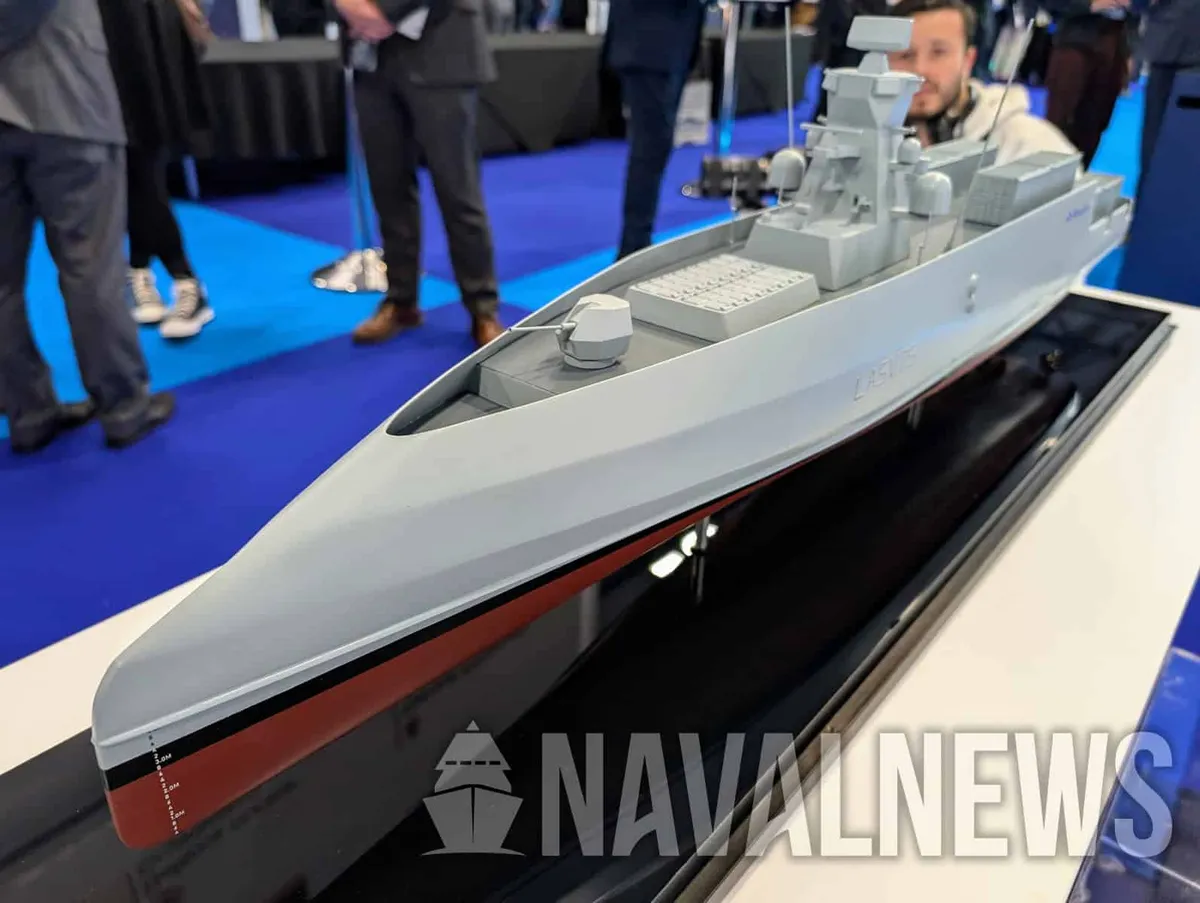
UK autonomous vessel development sits at the intersection of two constraints: shrinking naval headcount and rising operational tempo in the Indo-Pacific. If LASV75 moves to prototype, it signals the Royal Navy is betting on unmanned platforms to sustain patrol density without additional crewing.
This creates an industrial opening for Navantia UK (part of Navantia, Spain's state-owned shipbuilder) to position itself as the UK's preferred autonomous platform vendor—competing against General Dynamics and Austal for future RFQs.
The UK Royal Navy is actively exploring autonomous surface vessels to address force structure constraints in contested waters.
If the LASV75 advances from concept to procurement, the Royal Navy commits £500M+ to autonomous logistics and surveillance platforms over the next decade—capital that competes directly with manned frigate and destroyer recapitalization. Watch whether the LASV75 appears in the UK's 2026 Defence Review as a formal requirement or remains a technology demonstrator.
What is the actual operational requirement the LASV75 is meant to fill—is this a logistics platform, a surveillance asset, or a multi-role vessel? Does Navantia have a prime contract vehicle or is this a concept pitch seeking MOD interest?
Fault Lines
Strategic intelligence, synthesized daily — with a public track record. Every call graded against what actually happened.