UK to deploy carrier strike group to North Atlantic and High North in 2026
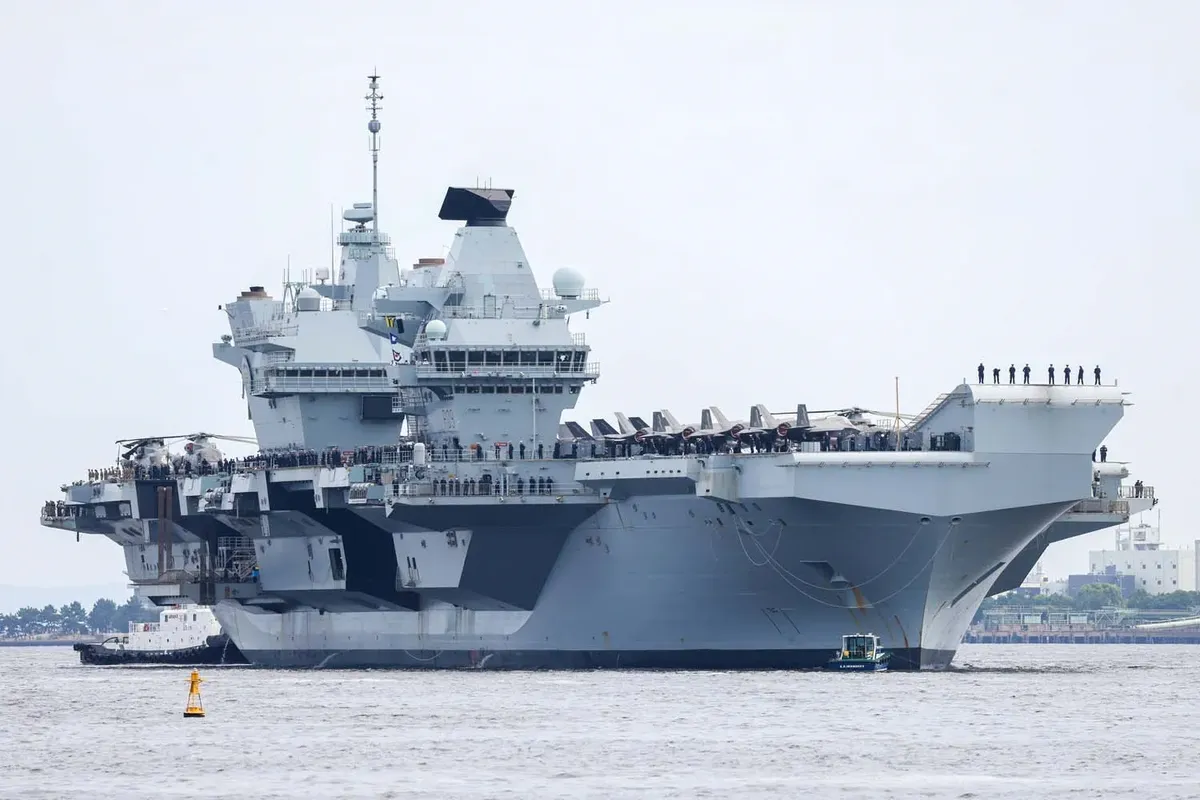
This is primarily a Power Projection signal — confirming UK naval presence in a contested region. Limited cross-pillar relevance: the deployment does not directly affect market forces (no new procurement implied) or export controls, though sustained operations do drive spare parts and maintenance demand for naval contractors.
The geopolitical friction dimension is real but incremental — it reinforces UK-NATO alignment on Arctic/North Atlantic presence, but does not escalate or de-escalate existing tensions with Russia.
This is a scheduled force posture move, not a response to a new crisis.
It signals continued UK commitment to NATO's northern flank and Arctic presence amid Russian naval activity, but the deployment itself is not novel — the UK has rotated carrier deployments regularly since 2021. The strategic value lies in confirming sustained naval presence in a region where Russia has invested heavily in icebreaker and submarine capability.
This affects BAE Systems (HMS Prince of Wales platform), Rolls-Royce (propulsion), and naval supply chain contractors through sustained operational tempo. The deployment does not indicate a shift in UK naval strategy or new capability — it confirms existing posture.
The real indicator to watch is whether this deployment includes new escort composition, extended duration, or integrated NATO command structures that would suggest deeper alliance coordination.
The article does not specify the composition of the strike group (escort vessels, air wing size, logistics support), duration of deployment, or whether this represents an increase in operational tempo compared to prior rotations.
Fault Lines
Strategic intelligence, synthesized daily — with a public track record. Every call graded against what actually happened.