F-35 Radar Shortfall Forces US to Accept Combat Aircraft Without Full Sensor Suite
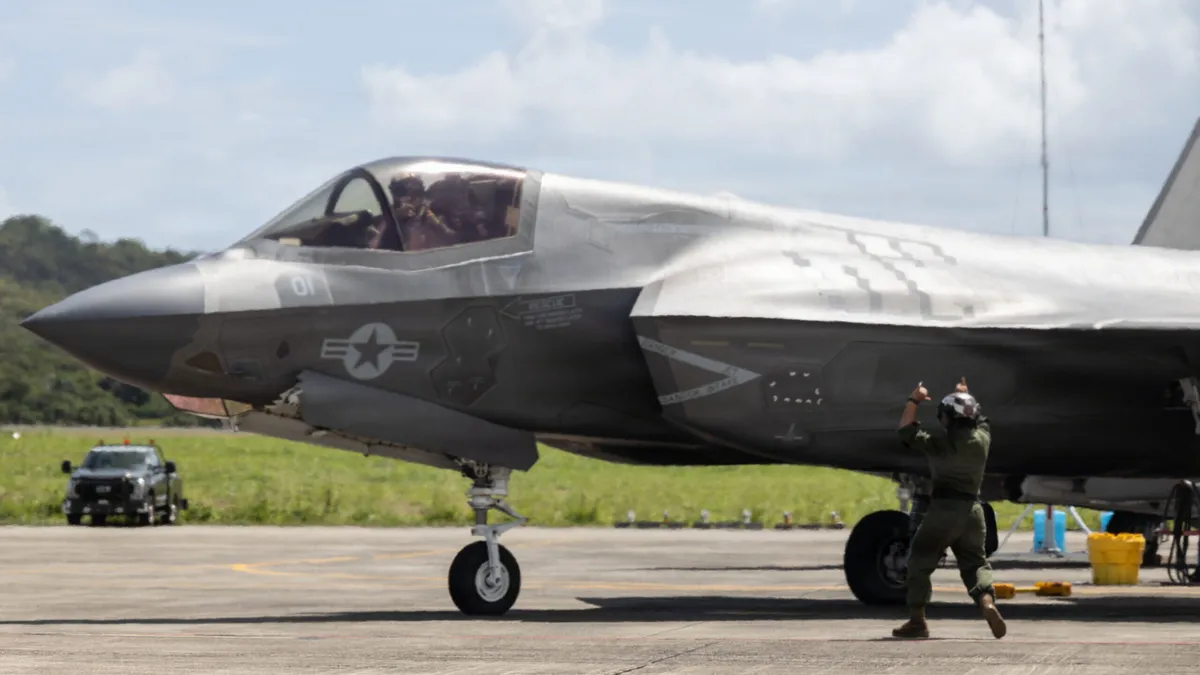
Radar-less F-35 deliveries compress the operational margin in the Middle East theater precisely when sustained air operations against Iran are now confirmed as indefinite (per Hegseth's March 19 statement).
Each month of radar delay increases the ratio of available airframes to combat-ready airframes, forcing US Central Command to either extend rotation cycles on existing aircraft or accept degraded sensor capability in new builds — both of which reduce sortie generation capacity and increase fatigue on legacy platforms.
This directly constrains the tempo and persistence of the air campaign that is now the centerpiece of US-Israel strategy against Iran energy infrastructure and leadership targets.
This represents a direct reduction in US fighter availability during the active Iran conflict now in its fifth day of sustained strikes.
The F-35 is the primary air-superiority platform for both US and allied operations; accepting aircraft without full radar capability degrades sensor fusion, target acquisition, and air-to-air engagement range — all critical in a theater where Iran has demonstrated integrated air defense and anti-ship missile capability (evidenced by Hormuz blockade and Ras Laffan strikes).
Lockheed Martin (the F-35 prime contractor) faces pressure to deliver airframes faster than the APG-85 radar can be integrated and validated, creating a procurement-vs.-readiness trade-off that will surface in sustainment costs when these aircraft eventually require retrofit.
This also signals to allied nations (UK, Australia, Japan, Poland) that their own F-35 fleets face similar delays, affecting NATO and Indo-Pacific air defense postures at a moment when both regions are experiencing heightened threat perception.
The article does not specify how many aircraft are affected, the timeline for radar integration, the cost of retrofit operations, or whether this acceptance standard applies only to new production or also to existing inventory awaiting upgrades.
Fault Lines
Strategic intelligence, synthesized daily — with a public track record. Every call graded against what actually happened.