Saudi Naval Expansion: Four C-27J MPAs Arrive 2029, Extending Red Sea Surveillance Reach
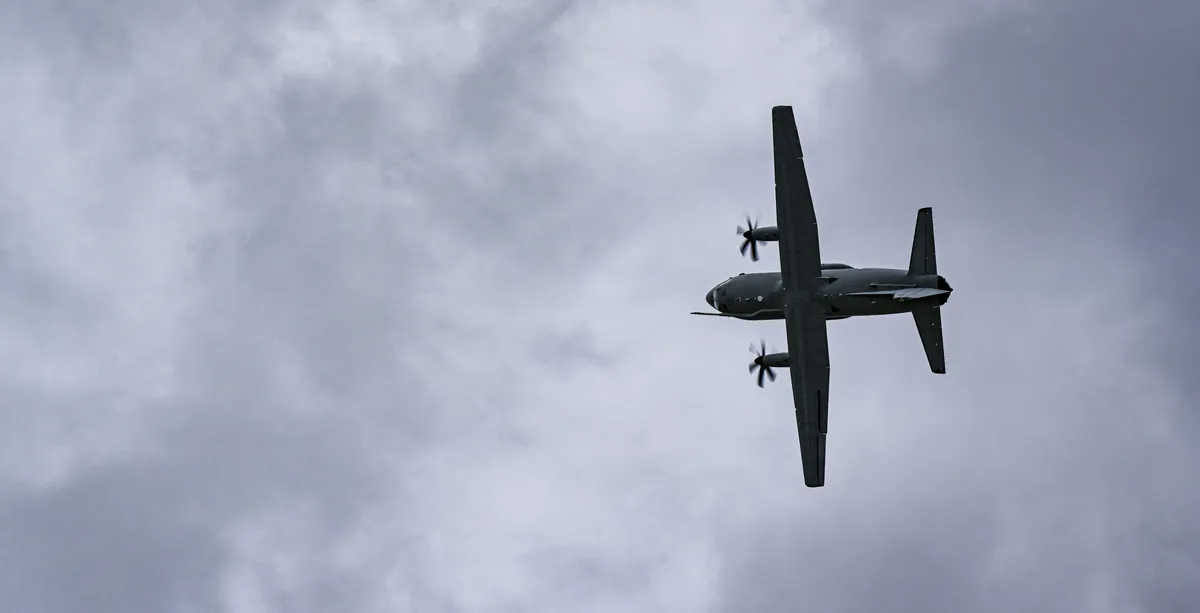
Saudi's shift toward organic maritime patrol reduces operational dependence on U.S. Navy P-8 coverage, freeing American assets for Taiwan contingency rotations and forcing U.S. Indo-Pacific commanders to recalculate coverage assumptions in the Middle East.
If the C-27J integrates with NATO/Five Eyes sensor networks (unconfirmed), it creates a European foothold in Gulf ISR architecture; if not, it signals Saudi preference for platform independence, which could influence future Riyadh procurement away from U.S. vendors on interoperability grounds.
This procurement extends Saudi's organic maritime surveillance capacity in a chokepoint where Iran-backed Houthi attacks on shipping have forced allied navies to maintain continuous presence since 2023.
The 2029 delivery timeline means Saudi will operate independently of U.S. P-8 Poseidon support for routine patrols during a period when American naval resources are increasingly committed to Indo-Pacific contingency planning. Alenia (Leonardo subsidiary) gains a foothold in Gulf maritime patrol, competing against Bombardier's Global 6500-based offering and U.S. platforms — a market shift if other Gulf states follow.
The gap: the article does not specify whether these aircraft integrate with existing U.S./NATO sensor networks or operate as standalone platforms, which determines interoperability value in coalition operations.
No detail on sensor suites, data-sharing protocols with U.S./coalition partners, or whether this order signals Saudi preference for European platforms over U.S. maritime patrol alternatives.
Fault Lines
Strategic intelligence, synthesized daily — with a public track record. Every call graded against what actually happened.