Textron TSUNAMI Uncrewed Vessels Enter Fleet Experimentation; Navy Tests Armed Autonomous Surface Craft
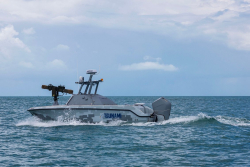
If TSUNAMI performs in SOUTHCOM's Caribbean operating area (lower threat density, known comms infrastructure), the Navy will still face a harder test in the Pacific. Fourth Fleet's participation suggests the test includes contested-comms scenarios — but autonomous vessel autonomy degrades sharply when GPS/datalink are jammed.
If the test succeeds, Raytheon and Northrop will bid autonomous surface modules into the next FFG upgrade contract. If it fails, the Navy pivots back to tele-operated platforms, which require more crew and have higher operational cost per sortie.
SOUTHCOM and Fourth Fleet now have a concrete test platform for autonomous surface warfare doctrine — this moves armed USV tactics from lab to fleet operations.
The timing matters: if TSUNAMI proves reliable in contested comms environments (Red Sea, Taiwan Strait contingency), it forces a procurement decision on the Navy's autonomous strike roadmap by FY27. Watch whether the test results feed directly into the FFG-62 class upgrade cycle or trigger an emergency LRIP for a purpose-built autonomous mothership.
Did Textron deliver these vessels under an existing contract, or is this a new task order? The article doesn't specify how many 'multiple' means or the cost. Real Clear Defense cites no primary source — a press release or Navy statement would clarify the budget line and delivery timeline.
Fault Lines
Strategic intelligence, synthesized daily — with a public track record. Every call graded against what actually happened.