Air Guard Deactivates Tactical Air Control Units, Reallocates Positions to Cyber Operations
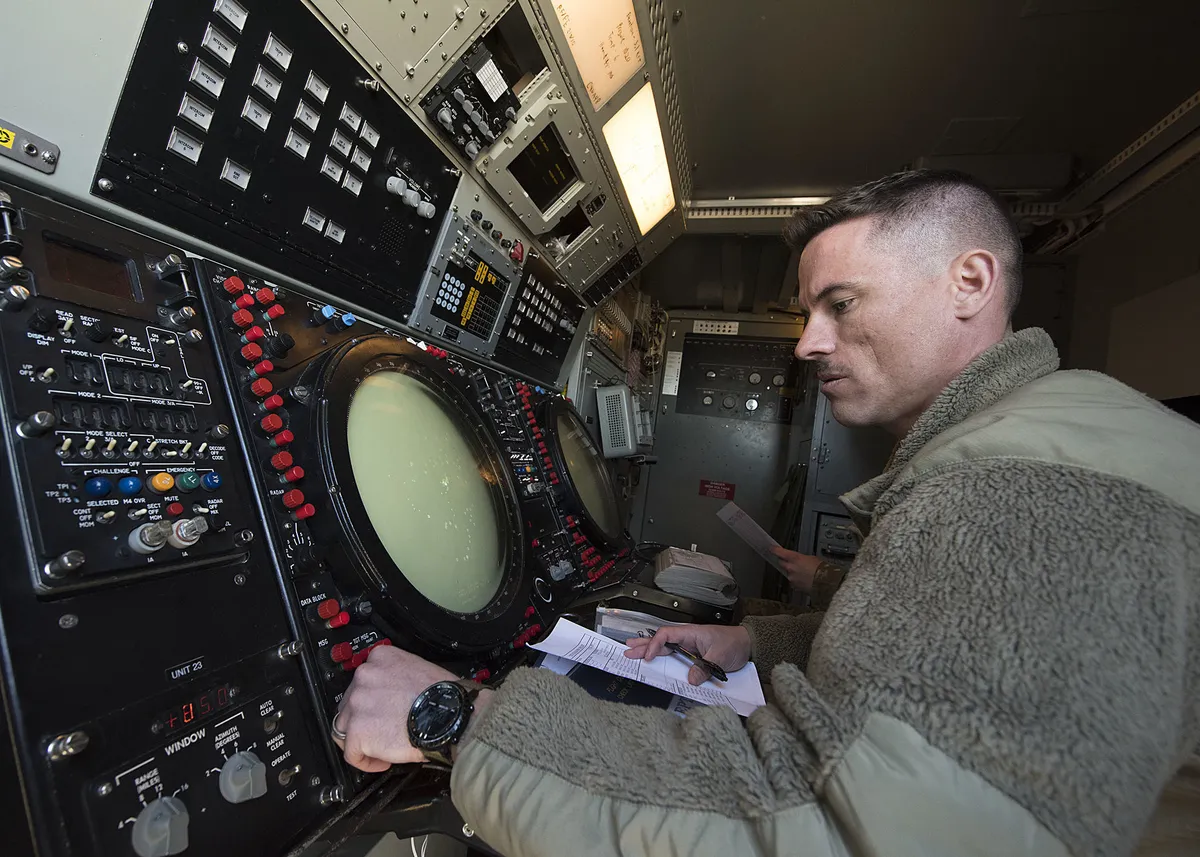
The reallocation of Air Guard TACP billets to cyber operations reduces the distributed ground-control infrastructure available for contested logistics operations in a Taiwan or Korea contingency, where forward-deployed TACPs enable decentralized close air support when traditional command centers are degraded.
This forces Pacific Command to either accept lower CAS responsiveness in dispersed operations or to rely more heavily on active-duty TACP resources, which compresses surge capacity elsewhere.
Simultaneously, the cyber personnel gain reduces Air Force cyber operations' dependence on active-duty billets, which may allow reallocation of active-duty cyber positions to offensive operations or intelligence missions — but the source does not confirm this downstream effect.
This reflects a deliberate reduction in tactical air control capacity (TACPs) — ground-based units that coordinate close air support and battlefield air operations — in favor of cyber warfare personnel.
For Air Force and joint operations planners, the loss of TACP squadrons in two states reduces distributed ground-control redundancy at a time when contested logistics and command-and-control resilience are central to Indo-Pacific contingency planning.
The cyber reallocation suggests Air Force leadership believes cyber operations ROI justifies accepting lower TACP density, but the source does not clarify whether this is a net manpower trade (1-to-1 conversion) or a net reduction with some positions eliminated.
If this is the first wave of a broader TACP drawdown across the Guard, it narrows the pool of trained air-ground coordinators available for surge or near-peer conflict — a constraint that would surface in joint force exercises and contingency staffing.
The decision is also a signal of resource competition: cyber operators are being sourced from Air Guard billets rather than from new appropriations, which means other Air Guard missions are absorbing the opportunity cost.
The article does not specify: (1) total number of positions converted; (2) whether this is a net manpower reduction or 1-to-1 conversion; (3) the timeline for deactivation; (4) which cyber mission areas (defensive, offensive, intelligence support, etc.) will receive the reallocated personnel; (5) wh...
Fault Lines
Strategic intelligence, synthesized daily — with a public track record. Every call graded against what actually happened.