Russia Repeats Rejected Easter Ceasefire; Ukraine Strikes Caspian Oil Platforms 1,000 km from Front
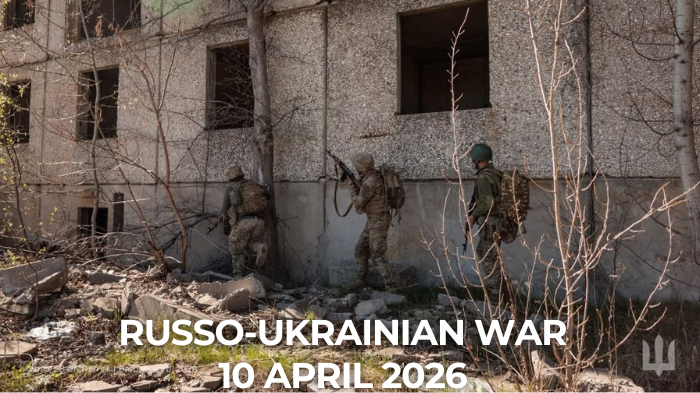
Ukraine's extended-range strike capability against Russian energy infrastructure decouples logistics degradation from frontline attrition. If Ukraine can sustain Caspian-depth strikes while defending Donbas, Russian force reconstitution timelines compress — meaning any ceasefire that halts Ukrainian strikes but allows Russian rear-area recovery becomes tactically disadvantageous for Kyiv.
This creates a procurement feedback loop: Ukraine will require sustained long-range precision munitions and ISR to maintain pressure on Russian logistics during any pause, forcing allied supply commitments to remain constant even if shooting stops.
The ceasefire offer signals no shift in Russian negotiating position — Moscow is repeating a tactic from 2025 when it violated similar truces over 2,000 times.
Ukraine's Caspian strikes demonstrate a deliberate escalation in targeting depth and logistics disruption independent of frontline dynamics, suggesting Kyiv is preparing for extended conflict rather than near-term negotiation.
The 18-month fortification timeline Zelenskyy cited is a hard constraint on any territorial concession: any pause that allows Russian repositioning without Ukrainian defensive reconstruction becomes operationally catastrophic.
This metric should guide allied aid prioritization — if Ukraine cannot hold territory without 18 months of build-out, ceasefire negotiations that grant Russia time to consolidate will force resumed intensive US/NATO support regardless of diplomatic outcomes.
The article does not specify which Russian oil platforms were struck, their production capacity, or estimated damage. It also does not clarify whether the Caspian strikes were coordinated with any diplomatic signal or represent unilateral escalation by Ukraine independent of ceasefire discussions.
Fault Lines
Strategic intelligence, synthesized daily — with a public track record. Every call graded against what actually happened.