Navy Prioritizes Mine-Clearing Over Enforcement as Hegseth's 'Shoot-and-Kill' Order Faces Operational Friction
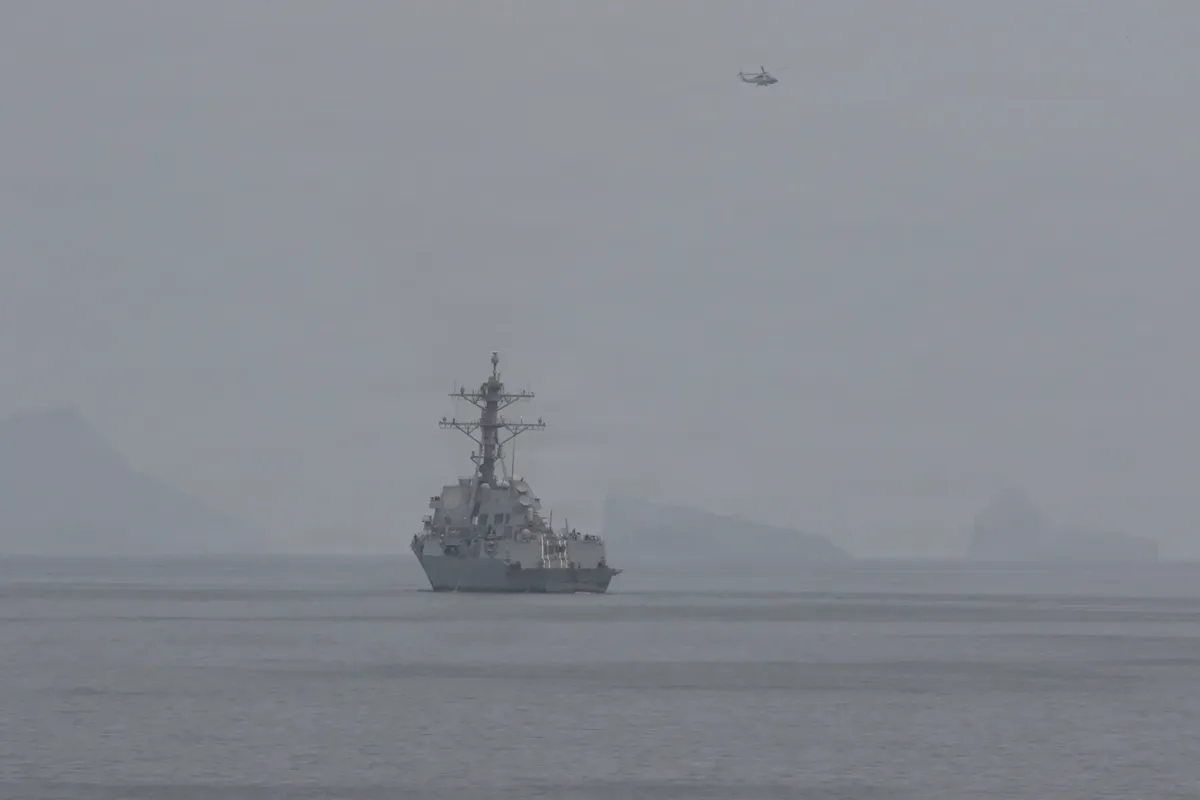
The shift from enforcement to mine-clearing reframes the Hormuz blockade from a deterrence contest into a logistics war. If the Navy must choose between striking Iranian mine-layers and sweeping the Strait, Iran's low-cost asymmetric tactic (laying mines faster than the U.S. can clear them) becomes the binding constraint on the three-carrier task force.
This directly undercuts the power projection mission: carriers are force-multipliers only if they can operate freely, but if they're tied down to mine-clearing escort duties, their strike range and sustained operations shrink.
Hegseth's order was unambiguous: lethal force against suspected Iranian mine boats.
But mine-clearing ops are a different mission — they're defensive, slower, and require specialized assets. If the Navy is deprioritizing the enforcement posture in favor of clearing existing mines, it signals either that mine-laying is outpacing interdiction capacity, or that the operational reality of the three-carrier presence cannot sustain both sustained combat patrols AND mine-sweeping simultaneously.
This creates a credibility gap: Trump and Hegseth have staked the ceasefire on the threat of immediate retaliation, but if the Navy is resource-constrained, Iran learns the threat is hollow.
Watch whether the 30-nation Hormuz conference (April 22) produced mine-clearing commitments from allies — if the U.S. is now relying on allied minesweepers to free up carrier strike group assets for enforcement, the operation has already degraded from unilateral deterrence to coalition burden-sharing.
What is the actual ratio of mine-clearing sorties to interdiction patrols in the current three-carrier tasking? If clearing is consuming 60%+ of available surface warfare and helicopter assets, the 'shoot-and-kill' order becomes a bluff.
Fault Lines
Strategic intelligence, synthesized daily — with a public track record. Every call graded against what actually happened.