ECFR Op-Ed Claims Trump Iran Strikes Lack Legal Basis; European Response Undefined
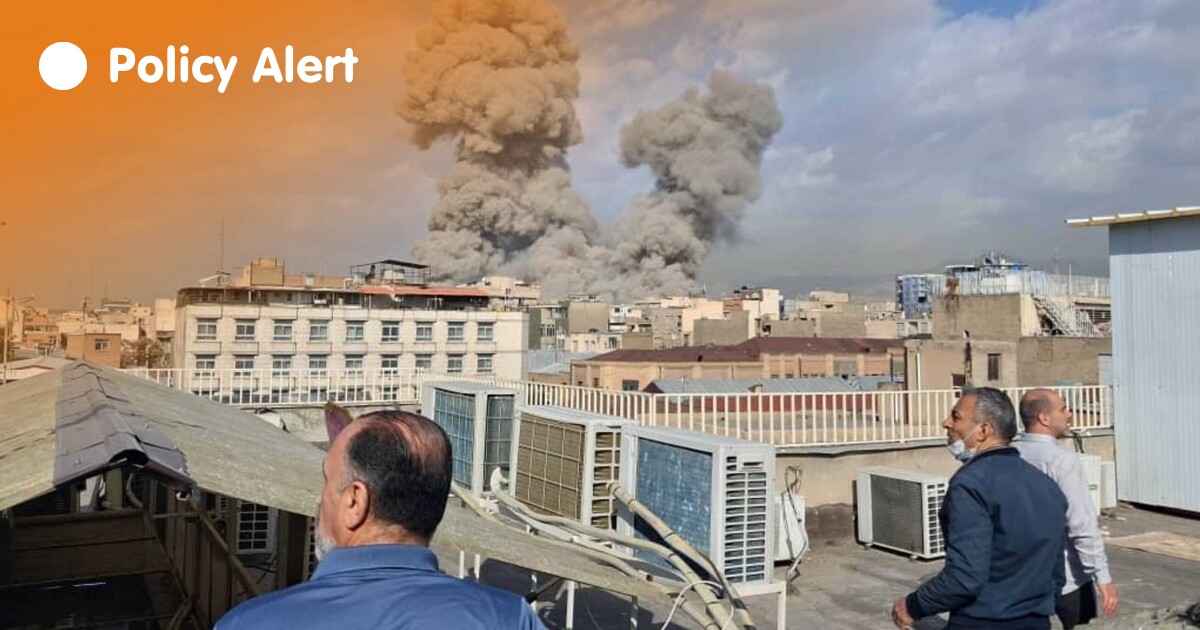
If European governments publicly break with the U.S. on the legal justification for Iran strikes, it does not directly alter procurement or force posture — but it does create political space for European capitals to withhold operational support (basing, overflight, intelligence-sharing) in a regional contingency, which forces U.S. Central Command to rely on non-allied logistics and increases per-sortie costs.
This is a geopolitical friction signal, not yet a capability or market signal.
This is a think tank editorial, not reporting of a policy shift.
Its relevance depends on whether ECFR's framing influences European government statements or NATO coordination. If European capitals adopt this legal framing publicly, it could create diplomatic friction with the U.S. over war powers and international law — a complication for allied procurement timelines, intelligence-sharing protocols, and burden-sharing negotiations in ongoing theaters.
However, the article itself provides no evidence that any European government has adopted this position or is preparing to do so. The piece is prescriptive, not descriptive.
The article does not report: (1) whether any European government has formally stated this position; (2) what specific Trump strikes prompted this editorial or when they occurred; (3) whether European defense ministers or NATO leadership are coordinating a response; (4) what 'humanitarian catastrophe...
Fault Lines
Strategic intelligence, synthesized daily — with a public track record. Every call graded against what actually happened.