Shield AI Buys Echodyne for $5.3B, Merges Drone Autonomy With Counter-Drone Radar
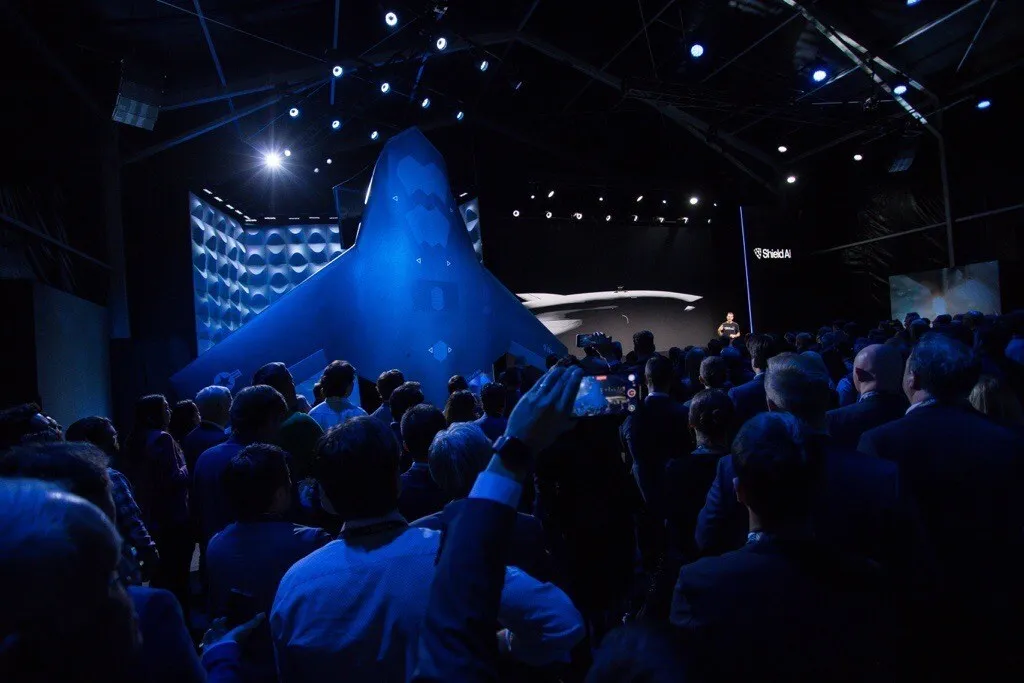
The integration flips the counter-drone market from a sensor-first to a software-first architecture. Echodyne's MESA radar becomes the input layer; Hivemind becomes the decision layer; Shield's X-Bat and V-Bat become the action layer. A competitor selling radar into that stack now competes against Shield's own sensor — a vertical integration that killed smaller vendors in every other defense subsystem.
The second move: this deal happened AFTER the Iran and Ukraine wars demonstrated that drone swarms overwhelm point-defense systems. Shield is betting the counter-drone market shifts from detection to autonomous interception, where software dominance matters more than sensor specs.
Shield AI just consolidated the stack — autonomy, drone platforms, and sensor fusion — under a single prime at $5.3B valuation, which means every counter-UAS procurement over the next three years now routes through a single vendor with integrated software-to-sensor control.
Echodyne's $250M JIATF-401 contract runs 36 months; if Shield executes the integration, it locks the counter-drone stack into a single code base and supply chain. Watch the FY27 counter-UAS budget markup in the House Armed Services Committee — if it funds Shield's architecture as the baseline counter-drone platform, competitors face a closed-door market.
Did the deal include any exclusivity clause on the JIATF-401 contract, or can competitors still bid sensors into Shield's Hivemind autonomy stack?
Fault Lines
Strategic intelligence, synthesized daily — with a public track record. Every call graded against what actually happened.