Japan Fires Type 88 Missile From Philippine Soil in First Test of Allied Basing
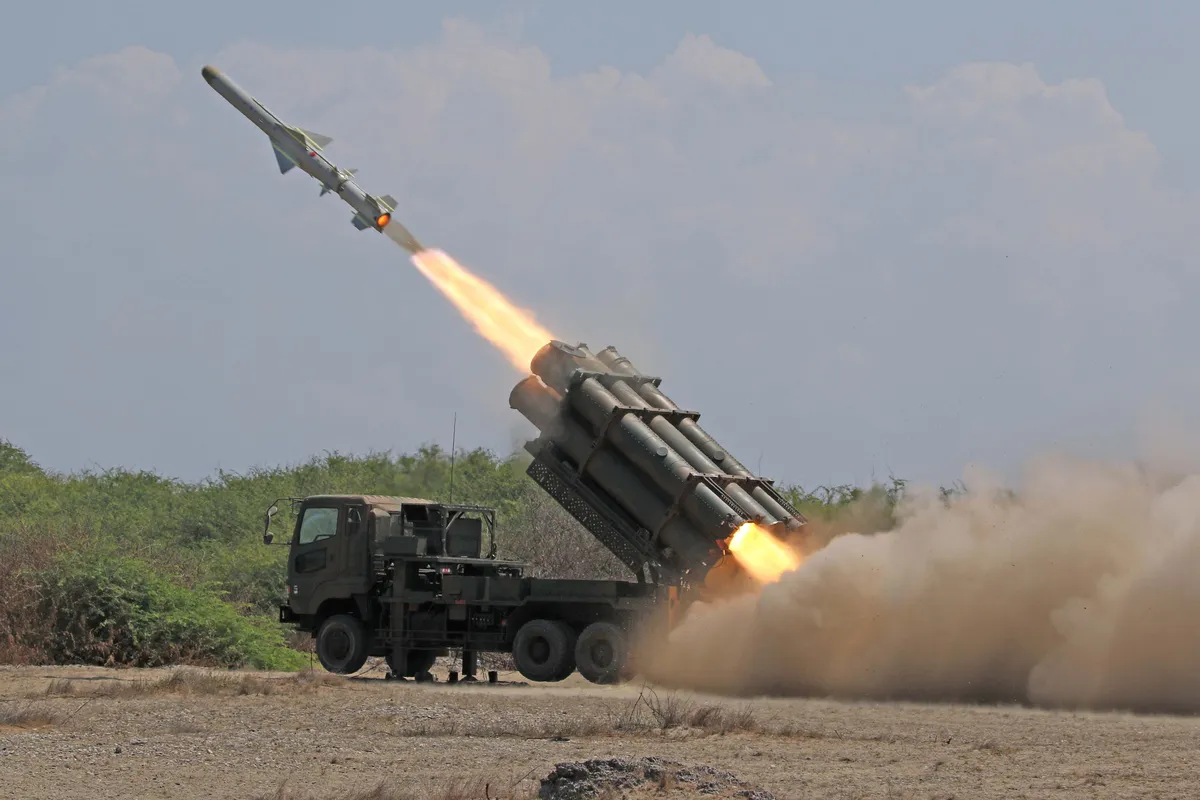
The Type 88 is a ship-based system; testing it on land from Philippine soil suggests Japan is adapting naval weapons to shore-based launch platforms—a doctrinal shift that mirrors US expeditionary posture. If Japan can rotate Type 88 batteries through allied bases in the First Island Chain (Philippines, Taiwan-adjacent), it creates a distributed strike network that complicates Chinese air defense planning.
The PLA would need to defend against Japanese missiles originating from multiple vectors, not just from Japanese destroyers in the Miyako Strait. This also signals the Philippines is willing to host systems with explicit offensive capability, not just defensive ones—a threshold crossing that changes Manila's strategic profile in Beijing's eyes.
This test signals Japan and the Philippines are operationalizing forward basing agreements that bypass China's A2/AD envelope in the South China Sea.
The Philippines' willingness to host Japanese weapons systems—not just US ones—expands the coalition's strike architecture and forces Beijing to account for Japanese missiles in contingency planning, not just American ones.
Watch for follow-on tests or permanent deployment announcements; if Japan establishes a rotation of Type 88 batteries in Luzon, the cost of a Taiwan contingency jumps for the PLA because it now faces coordinated fire from three separate allied bases (Japan, Philippines, potentially South Korea).
Does this test represent a one-off demonstration or the opening move toward permanent Japanese missile deployments in the Philippines? The article doesn't clarify whether this was a single test or the beginning of a recurring training cycle.
Fault Lines
Strategic intelligence, synthesized daily — with a public track record. Every call graded against what actually happened.