Russia Restores 5,100 Cold War Tanks via Engine Recovery; Production Surge Signals Attrition Replacement Strategy
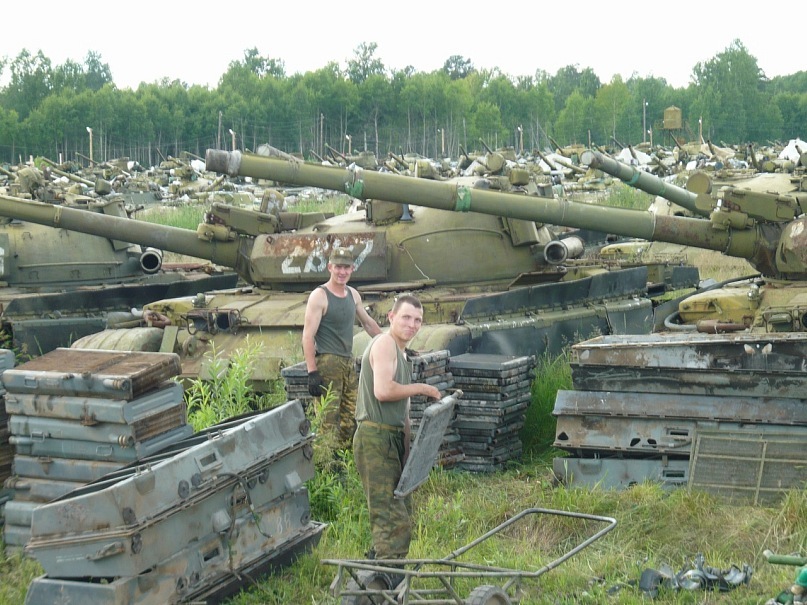
The decision to restore 5,100 tanks rather than produce new T-90M or T-80BVM variants reveals a hard constraint: Russian tank manufacturing (likely Uralvagonzavod and Omsktransmash combined) cannot sustain the replacement rate needed to backfill Ukraine losses. If Russia were confident in new-build capacity, it would mothball Cold War inventory rather than invest in engine recovery.
This suggests attrition is running at 40-60 tanks per week — high enough to force logistics backward into reserve depots. The second-order effect: Ukraine's drone strikes on Russian logistics nodes and fuel depots now have a compounding impact. Every tank Russia pulls from storage requires fuel, ammunition, and crew training that could otherwise support new production.
Russia is trading tank quality for production volume — a constraint-driven decision that exposes how attrition on the Ukraine front is forcing Moscow to cannibalize its reserve fleet rather than manufacture new platforms.
The two-plant contract structure suggests Russia lacks centralized production capacity to meet replacement demand from a single facility, meaning any disruption to either plant cascades across the entire restoration pipeline.
Watch whether Ukrainian strikes target these engine-restoration facilities; if either plant is damaged, Russia loses the ability to field these 5,100 hulls and must fall back on even older inventory or accept lower tank density in offensive operations.
Which two plants executed these contracts, and what is their current production capacity per month? The article doesn't specify whether these 5,100 tanks are already in-theater or staged in rear areas — that determines how quickly they offset current losses.
Fault Lines
Strategic intelligence, synthesized daily — with a public track record. Every call graded against what actually happened.