Space Force Seeks Five Cislunar Satellites by Late 2029 for Initial Operations by 2031
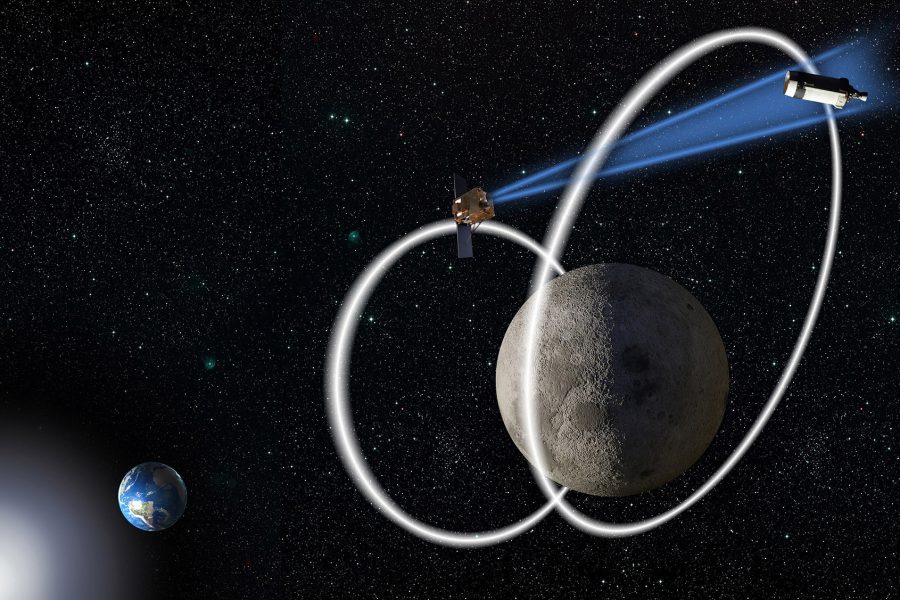
The policy reversal is the real signal. Purdy's October 21 statement — that he was told to avoid cislunar talk in January — dates the shift to roughly the same window as the prior signals showing Iran escalation locking in (March 2026) and active great-power conflict in Europe (Ukraine refinery strikes resuming November 1).
DoD is now operating under the assumption of sustained multi-theater competition, and cislunar is no longer a science project but a warfighting domain requiring rapid capability deployment. China's explicit 10-year PNT timeline creates a hard deadline: if the U.S. doesn't establish cislunar infrastructure by 2035, Chinese systems become the default reference frame for the entire region.
Space Force leadership has flipped from silence to urgency on cislunar operations in less than a year, and this notice shows the shift is now operational: up to five contracts, design work starting early 2027, launch by late 2029.
China is building sustained lunar presence with positioning and navigation grids planned within a decade; the U.S. is moving to establish PNT infrastructure and domain awareness before that window closes. The constellation will operate in a volume 1,728 times that of geosynchronous orbit, requiring autonomous station-keeping and AI-capable payloads — capabilities no current military satellite possesses at scale.
Watch the contract awards in Q1 2027: if Space Force funds commercial off-the-shelf solutions over developmental programs, the timeline holds and the first birds reach cislunar by 2031; if the awards slip into FY27 supplemental, the 2029 launch date collapses.
Does the Space Force have a specific cislunar PNT architecture in mind, or is this constellation meant to inform that strategy after launch? The notice says 'seed vehicles that will inform acquisition strategy' — that language suggests the first five are experimental.
Fault Lines
Strategic intelligence, synthesized daily — with a public track record. Every call graded against what actually happened.