Germany Orders $378M JSM Missile Batch From Kongsberg; Fifth Nation Locks in F-35 Integration
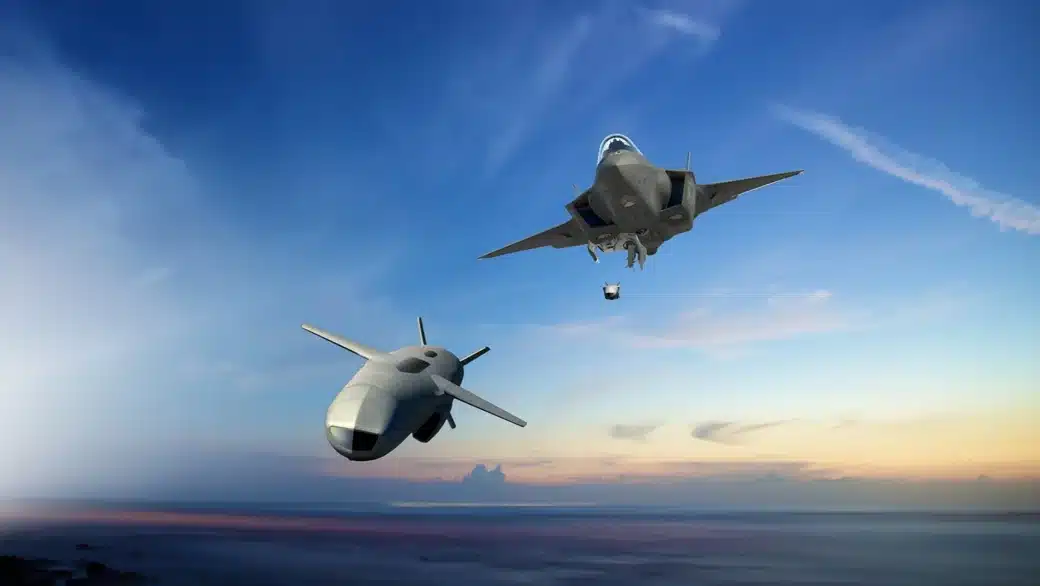
If the JSM becomes the de facto NATO standard for F-35 sea-strike (Germany + Norway + Poland + others), Kongsberg's production bottleneck becomes a constraint on allied strike-group readiness in the North Atlantic and Baltic. RTX's JASSM franchise loses leverage in European procurement cycles, which matters because JASSM sales to allies have historically subsidized US Air Force unit costs.
Conversely, if the US Air Force remains JASSM-only on its own F-35s, the transatlantic fleet will operate two separate missile logistics chains—a sustainment nightmare for USAFE and a long-term cost driver.
Germany's repeat order signals sustained European demand for sea-denial missiles at scale, locking in production cadence for Kongsberg through 2028-2029.
This matters to RTX and Northrop Grumman because the JSM is a direct competitor to the JASSM family on allied F-35 platforms—Germany's choice to double down on JSM (rather than diversify into US-sourced alternatives) indicates the Norwegian system has won the European integration battle, at least for now.
Watch the FY27 NATO supplemental to see whether the US military itself adopts JSM for F-35 inventory or commits exclusively to JASSM variants.
Does this German order reflect a formal NATO interoperability standard favoring JSM, or is it a one-off national procurement decision? And what is the actual production timeline—is Kongsberg committing to deliver all $378M worth by 2028, or is this a multi-year tranche?
Fault Lines
Strategic intelligence, synthesized daily — with a public track record. Every call graded against what actually happened.