Germany Funds 15,000 STRILA Anti-Drone Systems for Ukraine; GPS-Independent Targeting Expands Air Defense Depth
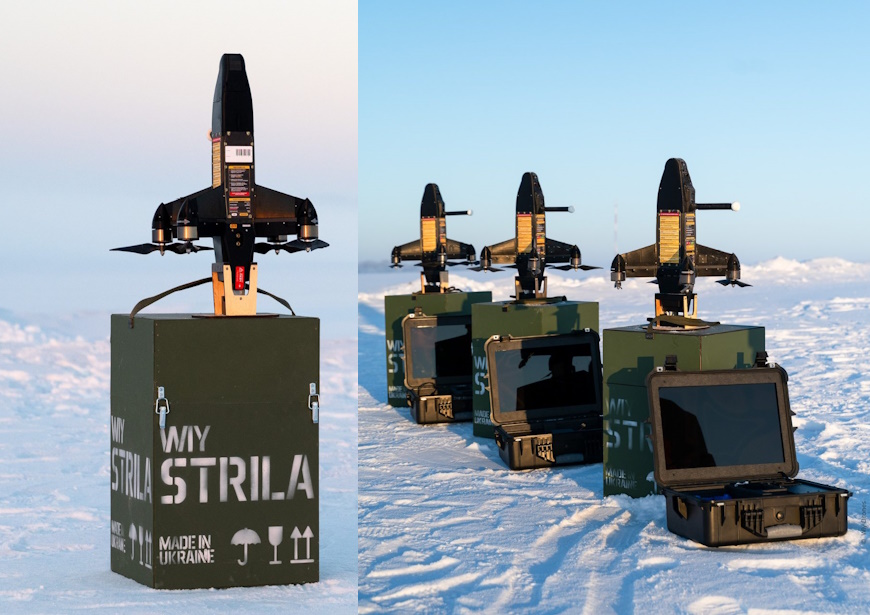
Large-scale GPS-independent air defense forces Russian drone operations to either accept higher attrition rates or shift to saturation attacks that consume inventory faster than production can replace—directly compressing Russia's operational tempo and forcing reallocation of resources from other theaters.
If STRILA deployment achieves 70%+ intercept rates against Shaheds, Russia's calculus for sustaining drone strikes against Ukrainian power infrastructure (a stated priority) becomes economically unsustainable, which would reduce pressure on Ukrainian grid resilience and free repair capacity for offensive reconstruction.
This represents a quantitative jump in Ukraine's layered air defense density against attrition-based drone campaigns.
At 15,000 units, STRILA deployment would saturate Russian drone approach corridors if distributed across critical infrastructure and frontline zones, raising the cost-per-intercept for Russian strike operations. The GPS-denial capability is operationally significant: it removes a vulnerability that has allowed Russia to jam Ukrainian air defense coordination in contested airspace.
Germany's willingness to fund this scale suggests Berlin has accepted that Ukraine's air defense requirements exceed what NATO allies initially provisioned, forcing a repricing of sustained air campaign costs for Russian planners.
The decision also signals that German industrial capacity or existing stockpiles can support 15,000-unit orders without competing with Bundeswehr modernization timelines—a constraint that would have been prohibitive 12 months ago.
The article does not specify: (1) delivery timeline for the 15,000 units; (2) whether these are existing German stocks or new production; (3) how STRILA integrates with Ukraine's existing air defense command-and-control network (Almaz-Antey, Patriot, IRIS-T); (4) operational range and engagement env...
Fault Lines
Strategic intelligence, synthesized daily — with a public track record. Every call graded against what actually happened.