UK Delays Ajax Capability Drop 4 Timeline Pending Investigation Outcome
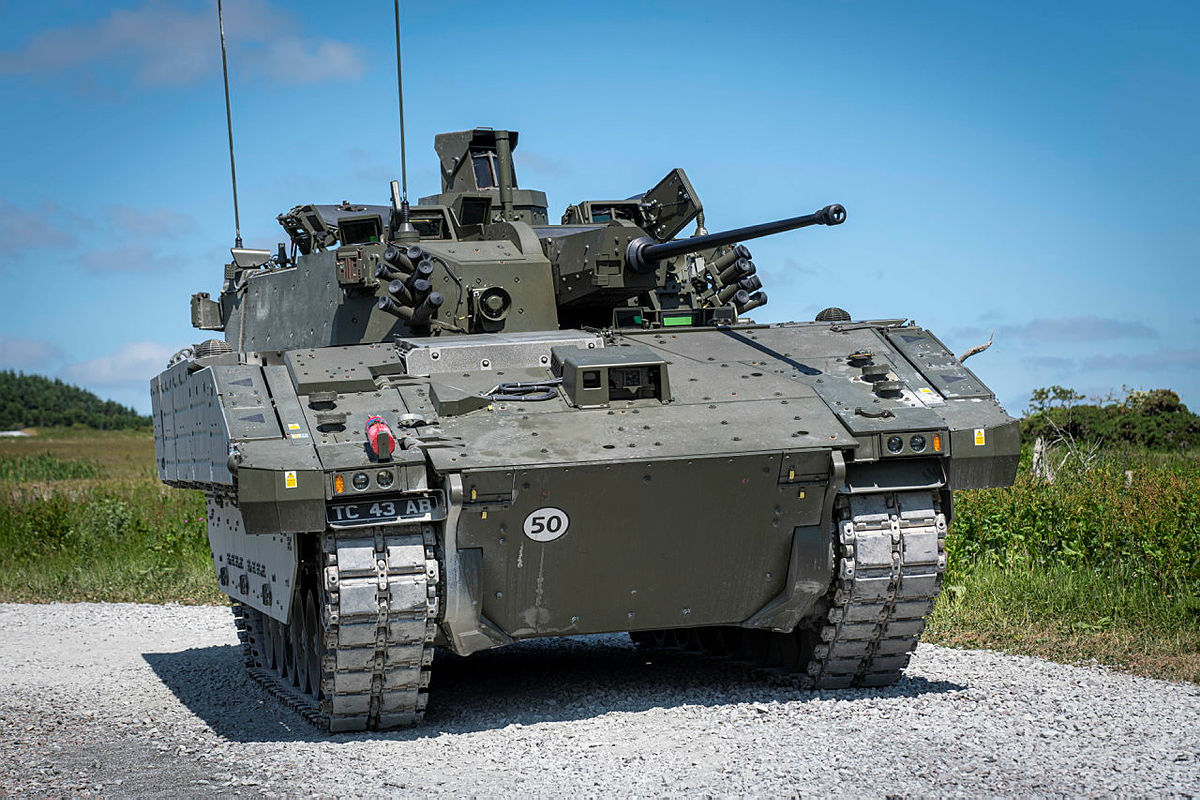
Ajax delays compress the window for the British Army to field a reliable medium armoured vehicle before 2030s peer competition scenarios. If Capability Drop 4 trials slip beyond mid-2027, production rate will flatten, reducing vehicle availability per unit deployed — a direct constraint on UK force projection in NATO's eastern flank posture and Indo-Pacific commitments.
Concurrently, delays extend the operational life of an already-troubled platform, increasing sustainment costs and diverting budget from next-generation platforms (like the Future Rapid Effect System), which compete for the same defence budget envelope.
Ajax is already years behind original schedules and over budget.
A further delay to Capability Drop 4 pushes incremental reliability improvements deeper into the 2030s, leaving the British Army operating a vehicle with known availability issues for longer. The withholding of a timeline suggests the investigations uncovered material problems — not routine delays.
This matters to General Dynamics (the prime contractor), which faces potential reputational risk on a flagship NATO platform, and to the British Army's force posture against near-peer threats, which depends on operational vehicle availability. The real constraint is whether the investigations will demand design changes that ripple into production schedules.
The article does not identify what specific investigations are underway, what problems they are examining, or which stakeholders (contractor, Army, independent review board) are conducting them.
Fault Lines
Strategic intelligence, synthesized daily — with a public track record. Every call graded against what actually happened.