RAF Akrotiri Struck by Drone; UK Confirms Incident, Attribution Unclear
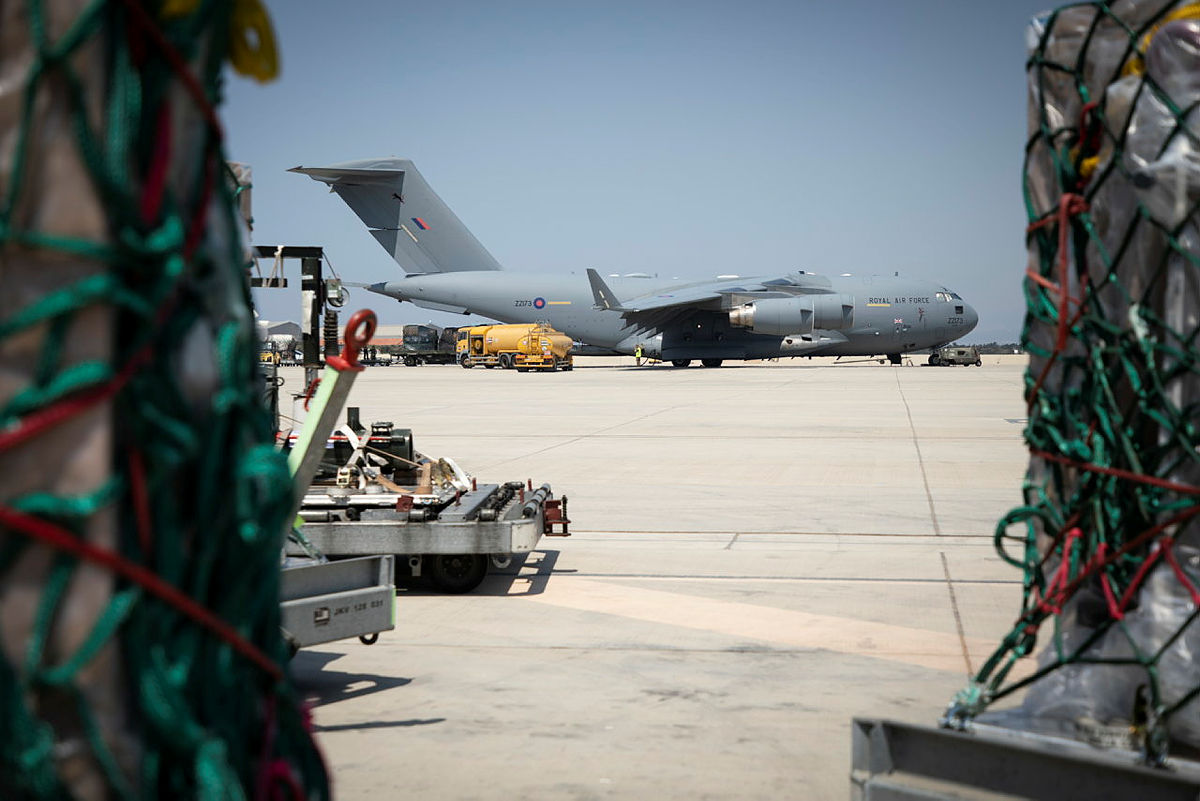
If attribution traces to a state actor (Iran, Syria, or proxy), RAF Akrotiri's role as a forward hub for Middle East air operations becomes a direct target in regional escalation logic, forcing the UK to either harden the base (capital-intensive, visible deterrent signal) or disperse operations to less defensible alternatives, degrading sortie generation for Iraq/Syria missions.
If the strike succeeds operationally, allied confidence in Eastern Mediterranean basing erodes, pushing US/UK coordination toward sea-based air platforms and creating procurement urgency for mobile air defense systems across NATO's southern flank.
If confirmed as a deliberate attack, this marks the first hostile strike on a UK sovereign military installation in the Eastern Mediterranean in recent history, forcing a reassessment of air base defensibility and escalation protocols in a region critical to Middle East operations.
However, the source offers no evidence of attribution, damage assessment, or operational impact — the phrase 'suspected drone strike' and 'responding' are too vague to determine whether this triggers actual capability shifts or represents a contained incident.
The strategic consequence hinges entirely on three unknowns: which actor conducted it, whether RAF Akrotiri's operational tempo is degraded, and how the UK retaliates.
The article does not state: (1) whether the strike caused damage or casualties; (2) the origin, type, or launch point of the drone; (3) the nature or scale of the UK response; (4) whether RAF Akrotiri's operations are disrupted; (5) attribution by UK intelligence; (6) whether this is part of a broad...
Fault Lines
Strategic intelligence, synthesized daily — with a public track record. Every call graded against what actually happened.