Beijing Blocks African Airspace to Taiwan President's Plane; Diplomatic Isolation Tightens
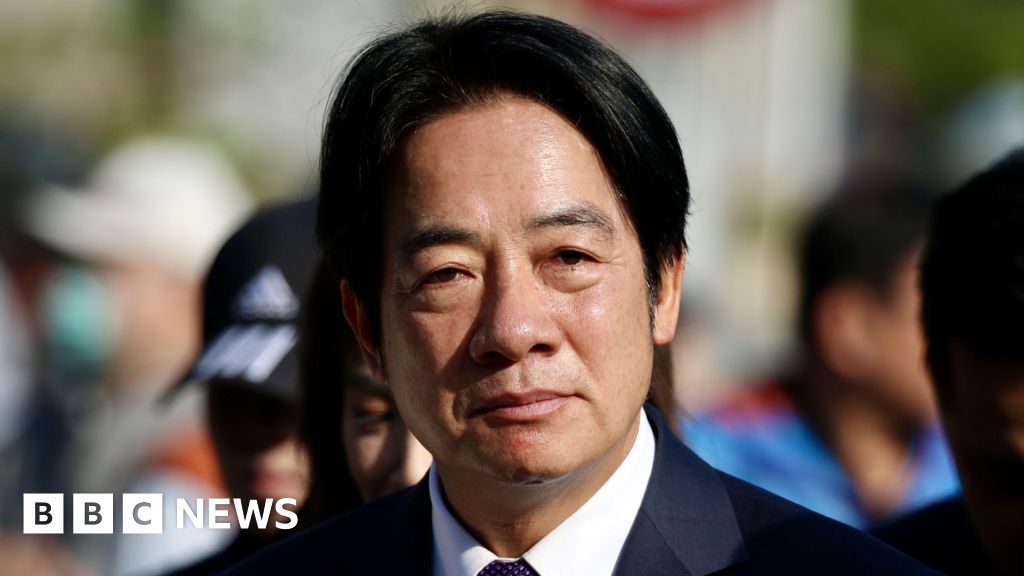
Taiwan's diplomatic isolation during the Hormuz crisis narrows its window for building alternative coalitions. If Beijing can prevent Taiwan's head of state from traveling while the US Navy is tied up enforcing the Hormuz blockade, Taiwan's ability to cultivate Indo-Pacific partners outside the US-Japan-Australia core degrades in real time.
This compounds the force-projection problem: US carrier strike groups are committed to the Middle East, Taiwan faces PLA pressure, and now Taiwan's own diplomatic mobility is constrained—a three-vector squeeze that inverts the usual calculus where US commitment substitutes for Taiwan's military shortfall.
Beijing has moved from military coercion (concurrent pressure during Hormuz crisis) to diplomatic isolation—using third-party airspace denial to physically prevent Taiwan's head of state from traveling.
This is a harder constraint than military posturing: it doesn't require a shot fired, it's deniable (African governments claim sovereign airspace decisions), and it works. The mechanism matters for Taiwan's strategic calculus. If Beijing can reliably deny airspace to presidential travel, Taiwan's diplomatic reach shrinks measurably, and allied reassurance missions become logistically harder.
This also signals to African nations that accommodating Taiwan carries costs—a direct play for the middle ground that has historically been Taiwan's diplomatic lifeline.
Which specific African nations revoked permits, and did they cite Chinese pressure explicitly or use procedural justification? The difference determines whether this is coordinated Beijing strategy or opportunistic alignment.
Fault Lines
Strategic intelligence, synthesized daily — with a public track record. Every call graded against what actually happened.