Ukraine Strikes Russian Shadow Fleet at Novorossiysk; Energy Logistics Pressure Mounts
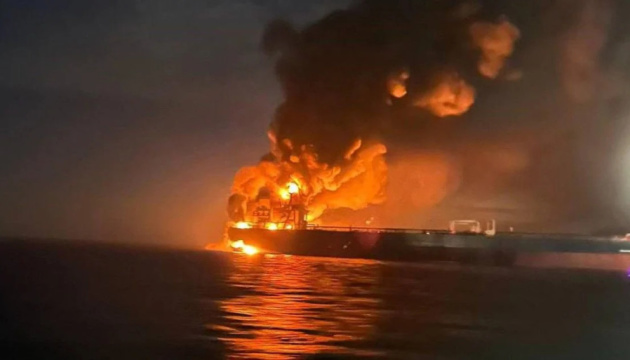
Ukraine's strike on shadow fleet logistics intersects with the broader energy sanctions architecture. If Ukraine can reliably target Russia's tanker network in the Black Sea, it creates a new cost layer on Russian crude exports independent of Western policy — effectively outsourcing sanctions enforcement to Kyiv.
This shifts the calculus for European energy security: cheaper Russian oil becomes less reliable, making alternative sources (US LNG, Middle East) more attractive even at higher prices. The precedent also signals to the EU that Ukraine is willing to extend strike operations into economic warfare, potentially complicating future negotiations over energy corridors or sanctions relief.
This is the first documented Ukrainian strike on Russia's shadow fleet infrastructure in the Black Sea since the broader conflict escalation began.
The shadow fleet is Russia's primary workaround for the EU oil price cap and insurance restrictions — hitting it at a choke point like Novorossiysk's entrance forces Russia to either accept higher transit risk or reroute through longer, costlier corridors (Caspian transshipment, Arctic routes).
If Ukraine sustains this targeting pattern, it degrades Russia's ability to monetize crude exports without requiring new Western sanctions. The strike also signals Ukraine is extending its targeting envelope beyond the immediate theater — Novorossiysk is 400+ km from the front line and requires either long-range drone capability or naval strike assets.
What was the damage assessment — were both vessels sunk, damaged, or just harassed? Did either vessel carry crude, or were they empty/ballast? Vessel tonnage and flag state matter for understanding whether Russia loses hard-to-replace tonnage or absorbs a manageable loss.
Fault Lines
Strategic intelligence, synthesized daily — with a public track record. Every call graded against what actually happened.