Air Force Defensive Doctrine Built for China Fails Against Iranian Penetration; Aircraft Vulnerability Now Operational Fact
If current air defense posture cannot prevent Iranian penetration, then extended operations beyond Trump's 2-3 week window will require either accepting higher aircraft loss rates (reducing sortie generation and extending conflict duration) or shifting to standoff weapons and unmanned platforms, which accelerates procurement timelines for AGM-158 variants and MQ-4C production.
This directly feeds into the Hormuz access condition Trump set on April 1 — if the US cannot sustain air superiority cheaply, the cost of keeping the strait open becomes visibly higher, which either accelerates a negotiated exit or triggers a request for allied air defense contributions (forcing burden-sharing negotiations with Gulf states).
This admission signals a doctrine-to-threat mismatch with immediate operational consequences.
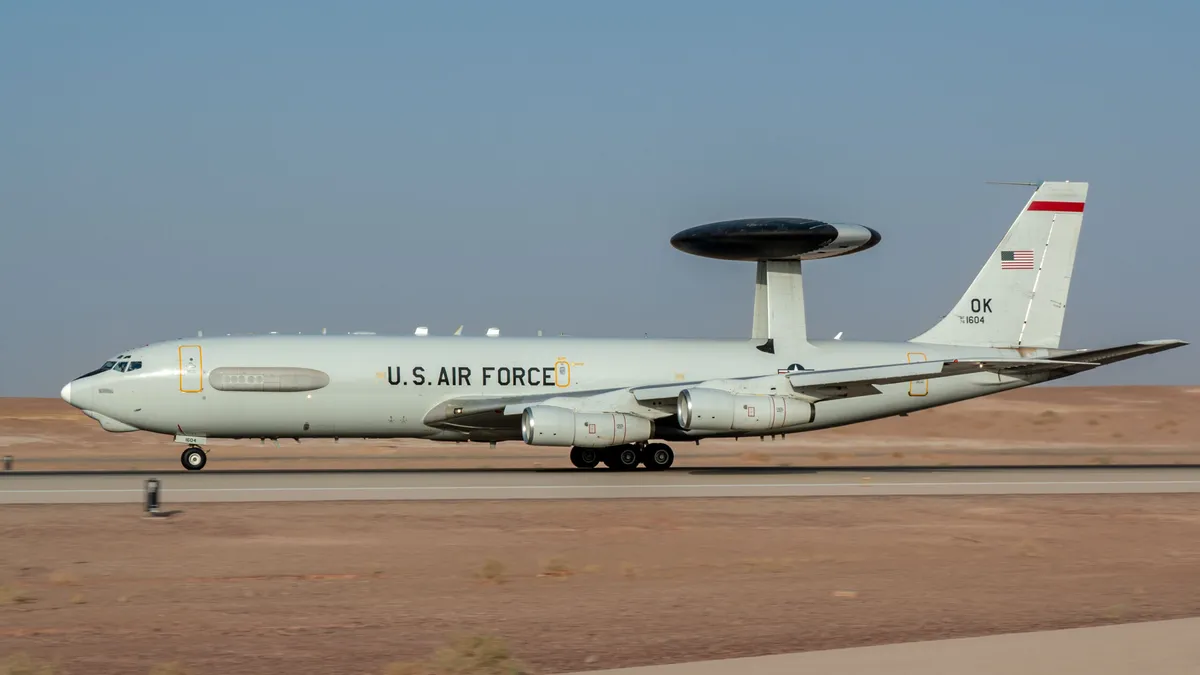
The US invested in layered air defenses optimized for Chinese mass saturation tactics (volume, speed, coordinated salvos) but faces Iranian capabilities (precision strikes, underground launch sites, air defense penetration demonstrated by the E-3 Sentry loss on March 29) that exploit different vulnerabilities.
Hegseth's "maxed out" language suggests no quick fix exists within current posture — meaning aircraft in theater remain exposed for the duration of this conflict and any follow-on Iran contingency. This forces a choice: either accept attrition as a cost of operations, or redirect procurement toward Iran-specific defenses (shorter-range air defense, hardening, dispersal).
The immediate implication is that aircraft availability in the Middle East will constrain operational tempo going forward, and sustainment costs will rise as damage accumulates. Over 2-3 weeks (Trump's stated exit window from April 1 signal), this is manageable; beyond that, readiness degrades measurably.
The article does not specify which aircraft types or bases were struck, how many sorties were lost to Iranian action versus maintenance, or what specific defensive capability gaps Hegseth identified.
Fault Lines
Strategic intelligence, synthesized daily — with a public track record. Every call graded against what actually happened.