Commerce Dept Blocks H200 China Sales Despite Trump Policy Shift
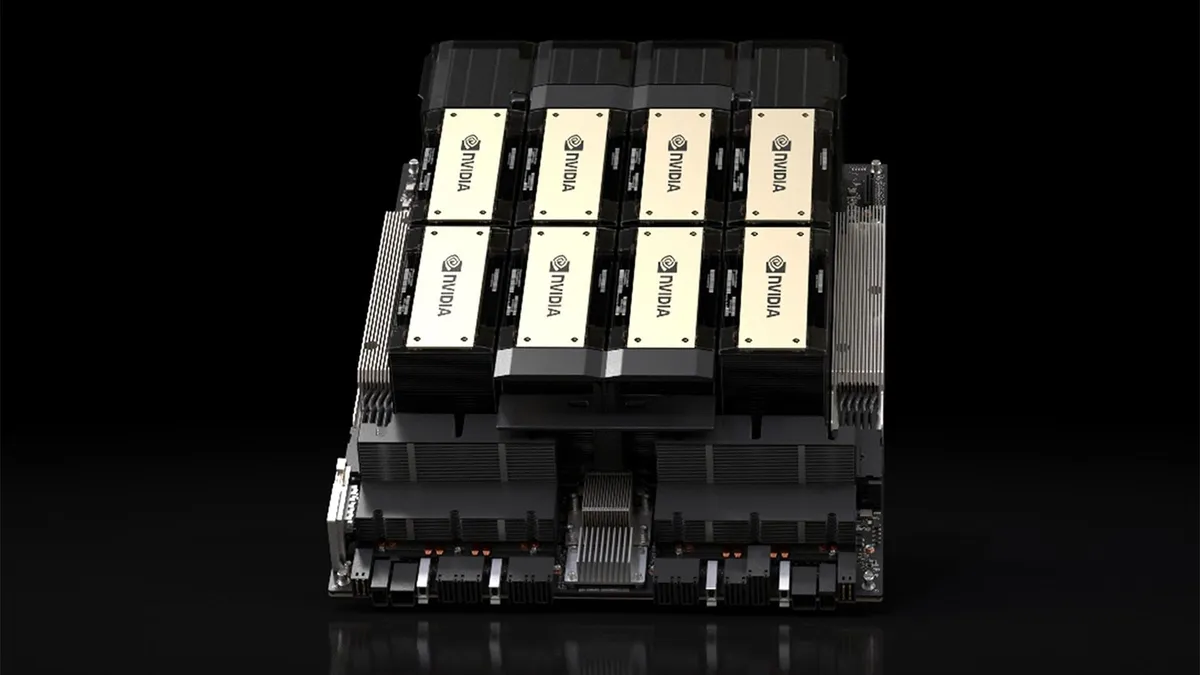
If Commerce is blocking H200 licenses despite White House authorization, it demonstrates that export control policy now depends on which agency holds enforcement authority, not just the stated policy direction. This creates uncertainty for Nvidia's China business planning and signals to Beijing that U.S. China tech policy is unstable — neither fully reversible nor fully restrictive.
For competitors (AMD, Intel), it extends the window in which U.S. chips remain unavailable to Chinese AI labs, preserving their competitive moat in non-China markets but delaying the revenue cliff they'd face if H200 sales were actually permitted.
This reveals friction between executive intent and bureaucratic implementation on a flagship China policy reversal.
If Commerce is systematically blocking H200 licenses despite presidential authorization, it signals either that internal review criteria are incompatible with the policy, or that enforcement staff are applying discretion to constrain the decision. For Nvidia, this blocks a material revenue stream (H200 pricing and China demand are material to semiconductor forecasts).
For defense investors, it raises two immediate questions: (1) whether this reflects genuine regulatory obstacles (national security concerns Commerce won't articulate) or political resistance to Trump's policy, and (2) whether similar gaps exist in other export control reversals announced but not yet operationalized. If the block persists, it suggests the policy reversal is performative rather than executable.
The article does not report whether Commerce has received H200 license applications from Nvidia, how many, or what specific criteria or security reviews are blocking approval.
Fault Lines
Strategic intelligence, synthesized daily — with a public track record. Every call graded against what actually happened.