Ukrainian Navy Disables Russian Tanker in Black Sea; Propulsion Loss Leaves Vessel Adrift
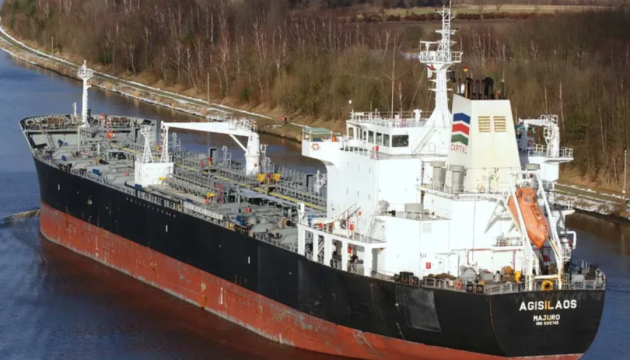
Ukraine's expansion of targeting into Russian maritime fuel transport directly supports Zelensky's stated pivot toward negotiation-through-attrition. Each disabled tanker reduces Russian refinery output capacity and forces Moscow to allocate naval assets to protection, drawing resources from other theaters.
Combined with the Orsk refinery strike and deep-strike authorization, this creates cumulative pressure on Russian energy logistics — the mechanism Zelensky is using to force Russia toward talks without requiring territorial concessions.
This is the logical next phase of Zelensky's announced energy-infrastructure targeting strategy.
Ukraine has already committed to deep strikes on Russian rear assets — the Orsk refinery hit on April 29 and helicopter strikes 150km inside Russia demonstrate the capability. Now that capability extends to maritime logistics. A disabled tanker is a supply-chain disruption with no political cost — it's not a warship, so escalation signaling is muted, but the effect on Russian energy distribution is real.
If Ukraine sustains this targeting, Russian maritime fuel transport becomes a degraded system, forcing Moscow to rely on rail and pipeline infrastructure that's already under pressure. The question is whether this was a one-off or the opening of a new vector.
Was this strike conducted with Western-supplied weapons (e.g., Neptune missiles) or Ukrainian indigenous systems? The distinction matters for NATO's de facto involvement in targeting Russian civilian logistics.
Fault Lines
Strategic intelligence, synthesized daily — with a public track record. Every call graded against what actually happened.