Ukraine's Patriot Intercept Rate Hits 7%; Next Resupply Won't Arrive for Years
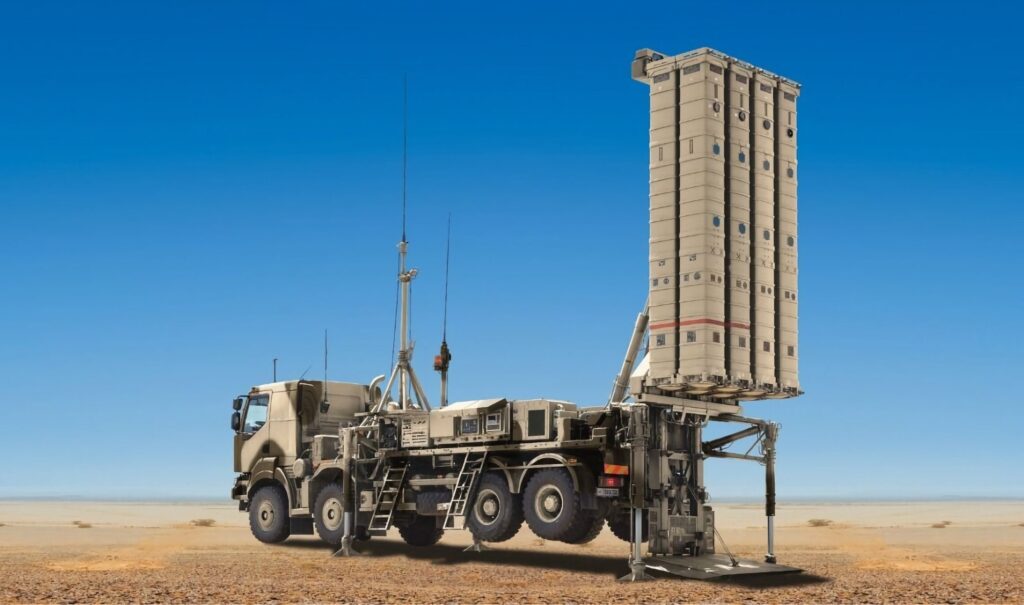
Ukraine's air defense crisis reflects a production-to-deployment mismatch that will persist through 2028. In October, Ukraine's eight Patriot batteries intercepted 11 of approximately 150 Russian ballistic missiles—a 7% hit rate—while essentially depleting their PAC-3 ammunition stocks.
The State Department approved a $2.1 billion sale of 500 PAC-3 missiles on October 31, but Lockheed Martin's production ramp to 2,000 missiles annually carries a four-year lead time from payment to delivery, placing the earliest arrival date in late 2029.
This timeline assumes no queue delay; however, Pentagon prioritization of US and Gulf ally batteries—a consequence of the February 2026 Iran conflict, which consumed over 1,150 Patriot missiles in two months—means Ukrainian orders face documented delays in the production sequence.
The constraint is not factory capacity alone but supply-chain depth: PAC-3 production depends on component suppliers whose own lead times extend the delivery window beyond Lockheed's nominal four-year cycle.
Russia's projected 190 ballistic missiles per month this winter creates a second-order pressure on NATO's air-defense posture.
If Russia sustains that rate and Ukraine maintains a 7% intercept rate, Ukraine would stop approximately 13 missiles monthly while absorbing 177—a ratio that forces allied capitals to choose between emergency diversion of active Patriot batteries from Germany, the Netherlands, and Romania (each holding operational systems) or acceptance that Ukraine will rely on layered but inferior air defense: HAWK systems and European air-defense guns.
Either choice redistributes NATO's air-defense burden: diversion weakens Eastern European members' own protection against Russian strikes; reliance on HAWK and gun systems concedes coverage gaps that Russia can exploit, effectively transferring the cost of air defense from interceptor availability to civilian casualty tolerance.
The winter 2026-27 campaign will thus test whether NATO members treat air defense as a shared inventory or as national assets held in reserve.
The decision point for allied capitals arrives before December 2026. Germany, the Netherlands, and Romania must determine whether to release Patriot batteries for emergency Ukrainian deployment—a choice that requires political cover from Washington and carries domestic cost (reduced air defense for host nations).
Alternatively, Ukraine must commit to a degraded air-defense architecture using HAWK and gun systems, accepting lower intercept rates and higher civilian exposure.
Ukraine faces a winter air-defense deficit that cannot be closed by US production timelines alone, forcing NATO to choose between weakening its own Eastern European posture or accepting higher Ukrainian civilian casualties.
Russia's ability to sustain 190 ballistic missiles monthly—if that projection reflects actual production rates rather than theoretical maximum—creates a math problem: Ukraine's current 7% intercept rate yields roughly 13 successful shots per month against 177 incoming threats.
Lockheed Martin's four-year delivery timeline for the October 31 $2.1 billion order places PAC-3 arrivals no earlier than late 2029, meaning the gap persists through at least two more winters.
Watch whether Germany, the Netherlands, or Romania announce emergency Patriot transfers to Ukraine (signaling alliance burden-sharing) or whether Ukraine publicly shifts to HAWK and gun-based defense (signaling acceptance of reduced coverage).
The third indicator is whether Russia's actual ballistic missile production rate matches the 190-per-month projection or falls below it—a figure currently grounded in analyst estimates rather than confirmed manufacturing data.
What is Russia's actual ballistic missile production rate, and does it match the 190-per-month projection, or is that an upper bound? The article cites Hoffmann and Lapatina but does not ground the 190 figure in Russian manufacturing data.
Fault Lines
Strategic intelligence, synthesized daily — with a public track record. Every call graded against what actually happened.