Ukraine Downs 137 of 164 Russian Drones Overnight
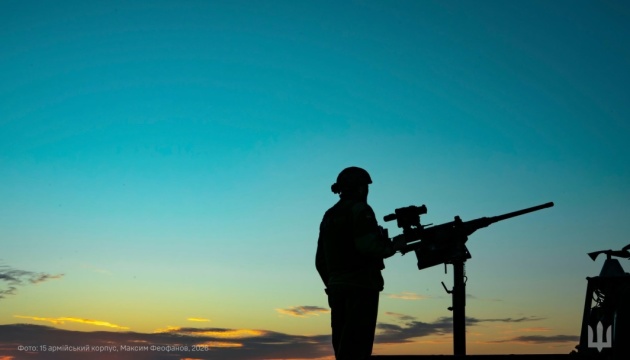
The 83% rate is a meaningful rebound from the 7% Patriot-only baseline in October, but it masks a dangerous shift in the force mix. Shahed and Gerbera drones are attritable targets; decoy drones force expenditure of interceptors that could hit cruise missiles. Russia is now mixing swarms to exploit Ukrainian air defense's weakest point—the willingness to waste expensive interceptors on cheap decoys.
If the decoy ratio climbs above 30% of the swarm, Ukraine's effective intercept rate against lethal targets collapses, and the $2.1B supplemental becomes insufficient to sustain the current doctrine through spring 2027.
Ukraine's air defense is holding despite the 7% Patriot intercept rate we documented four days ago—this 83% overnight rate across 164 drones means the Ukrainians have compensated for ammunition shortage by distributing kills across electronic warfare, mobile fire groups, and unmanned systems.
The constraint now is not interception capacity but sustained sortie generation—if Russia maintains this tempo (164 drones every 24 hours), Ukraine burns through EW resources and drone interceptors faster than resupply arrives, and the $2.1B State Department authorization becomes a timeline problem, not a sufficiency problem.
Watch whether Russian drone launches sustain at 150+ per day through November; if they do, Ukrainian air defense enters a consumption race it cannot win indefinitely.
What is the actual attrition rate on Ukrainian EW systems and drone interceptors per 24-hour cycle? The 83% intercept rate tells us the total is holding, but not which platform is the binding constraint—Patriot, Tor, Hawk, or the unmanned interceptors themselves.
Fault Lines
Strategic intelligence, synthesized daily — with a public track record. Every call graded against what actually happened.